Menu
Download our Petland App today for information on your local Petland's Available Pets and Pet Supplies. All at the tips of your fingers!


Download our Petland App today for information on your local Petland's Available Pets and Pet Supplies. All at the tips of your fingers!
Please create a free account, or login by clicking here.
Petland Memphis, Tennessee
September 30, 2026
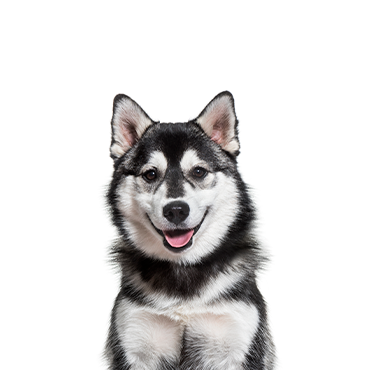
Bringing home a Pomsky puppy is an exciting experience, but it also comes with plenty of preparation. Pomskies are known for their playful personalities, fluffy coats, intelligence, and charming appearance. Before bringing one home, it is important to understand what daily life with a Pomsky puppy can be like and what you need to have ready.
If you are considering a Pomsky puppy for your family, preparing ahead of time can make those first few days much easier. From setting up your home and choosing the right supplies to establishing a routine, beginning basic training, and giving your puppy time to adjust, there are several things new Pomsky owners should know.
Whether you are a first-time dog owner or already have experience with puppies, this guide will help you prepare for bringing a Pomsky puppy home and starting your life together.
Before choosing any puppy, take some time to understand the breed and what you can expect from its personality and everyday needs.
Pomskies are a cross between a Pomeranian and a Siberian Husky. Because they are a mixed breed, individual Pomskies can vary in size, appearance, coat type, energy level, and personality. Some may inherit more characteristics from their Pomeranian parent, while others may display more Husky-like traits.
Pomskies are often playful, curious, social, and intelligent. They can enjoy spending time with their families and may thrive when they receive regular interaction, training, play, and mental stimulation.
Understanding these characteristics before bringing your puppy home can help you determine whether a Pomsky fits your household, schedule, and lifestyle.
Read more about Pomsky Breed Information here.
One of the easiest ways to make your puppy’s transition smoother is to prepare your home before the big day.
Puppies are naturally curious and may investigate almost everything around them. Walk through the areas where your Pomsky will spend time and look for anything that could be unsafe or easily damaged.
Put away small objects, secure loose electrical cords, move household chemicals out of reach, and keep foods that are unsafe for dogs away from your puppy. You may also want to use puppy gates to limit access to certain rooms while your Pomsky learns the rules of the house.
Creating a designated puppy area can also help. This space can include your puppy’s bed or crate, water bowl, toys, and other essentials.
You do not need to buy everything in the pet store before bringing your Pomsky home, but having the basics ready will make your first few days much more comfortable.
Consider preparing:
Choose products based on your puppy’s current size and needs. Your Pomsky will grow, so some items may need to be replaced as your puppy gets older.
A new puppy has a lot to learn, and a predictable routine can make the adjustment easier.
Try to establish regular times for meals, potty breaks, play, training, rest, and bedtime. Your exact schedule will depend on your puppy’s age and your household, but consistency is more important than creating a complicated routine.
For example, your morning might include a potty break, breakfast, another potty opportunity, some gentle play, and then a period of rest.
Throughout the day, your Pomsky will need a balance of activity and downtime. Puppies can become tired quickly, even when they seem eager to keep playing.
A consistent routine can also make it easier for your puppy to understand what happens next and what is expected of them.
Potty training is one of the first major responsibilities you’ll have as a new Pomsky owner.
Your puppy will need frequent opportunities to go outside, particularly when waking up, after eating, after drinking, after playing, and before bedtime. Young puppies generally have less bladder control than adult dogs, so accidents are part of the learning process.
Take your puppy to the same designated potty area when possible and reward appropriate behavior immediately after your puppy goes in the right place.
Avoid punishing accidents. Instead, clean them thoroughly and focus on establishing a consistent routine.
With patience, supervision, and repetition, your Pomsky can gradually learn where and when it is appropriate to go.
You do not have to wait until your Pomsky is older to begin training.
Early training can focus on simple behaviors such as responding to their name, coming when called, sitting, waiting, and walking calmly on a leash.
Keep training sessions short and positive. Puppies have limited attention spans, so several brief sessions throughout the day can be more effective than one long session.
Positive reinforcement can also help your puppy understand which behaviors you want to encourage. Praise, attention, and small training treats can all be useful rewards.
Most importantly, everyone in the household should follow the same rules. If your puppy is allowed on the couch one day but corrected for climbing on it the next, they may have difficulty understanding what you expect.
A Pomsky puppy should gradually become comfortable with different people, sounds, environments, surfaces, and everyday experiences.
The goal is not to overwhelm your puppy with everything at once. Instead, introduce new experiences gradually and allow your puppy time to become comfortable.
You might introduce your Pomsky to different rooms in your home, household sounds, car rides, visitors, and appropriate interactions with other dogs.
Puppy classes can also provide opportunities for controlled learning and social experiences when appropriate for your puppy’s age and vaccination status.
If your puppy seems nervous about something new, give them space and try again gradually rather than forcing the interaction.
Pomskies can be playful and energetic, so expect your puppy to need opportunities for appropriate activity throughout the day. Learn more about Why Does My Dog Get Aggressive Only at Mealtime?
However, having an energetic puppy does not mean you need to provide nonstop physical exercise.
Young puppies also need plenty of sleep and rest. Their daily routine should include short periods of play and exploration followed by quiet time.
Interactive toys, simple training exercises, supervised play, and age-appropriate activities can help keep your Pomsky engaged.
As your puppy grows, you can learn more about the amount and type of activity that fits their age, size, and individual personality.
Physical activity is only part of keeping a curious puppy engaged.
Pomskies can be intelligent and inquisitive, so mental stimulation can become an important part of their routine. Simple training games, puzzle toys, supervised exploration, and learning new commands can give your puppy something to think about.
You can also turn everyday activities into learning opportunities.
For example, asking your puppy to sit before receiving a meal or rewarding them for calmly waiting at the door can combine training with normal household routines.
Keeping training fun can help your puppy stay interested while strengthening the communication between you and your dog.
Pomskies can have fluffy coats that require regular maintenance. Depending on the individual puppy’s coat, regular brushing may become an important part of your routine.
It is a good idea to introduce grooming gradually while your Pomsky is young. Let your puppy become comfortable with being gently handled, having their paws touched, and being brushed.
Keep early grooming sessions short and positive. Offering praise and rewards can help your puppy associate grooming with a calm and positive experience.
Starting early can make future brushing and professional grooming appointments easier.
Your home may feel exciting to you, but everything will be new to your Pomsky.
Your puppy may be excited, curious, sleepy, nervous, or a combination of all of these during the first few days.
Do not expect your new puppy to immediately understand your household routine. Give them time to learn where they sleep, where they eat, where they go potty, and which areas they are allowed to explore.
Keep the first few days relatively calm when possible. Too many visitors, new experiences, and activities at once can make the transition more difficult.
A little patience during the adjustment period can go a long way.
The first night at home can be one of the biggest adjustments for a new puppy.
Your Pomsky has just left a familiar environment and may not be accustomed to sleeping alone. Some puppies may whine or wake during the night.
Having a consistent bedtime routine can help your puppy understand that nighttime is for resting.
If you are crate training, make sure the crate is comfortable, appropriately sized, and positioned in a suitable location. Your puppy may need nighttime potty breaks depending on their age.
Remember that nighttime interruptions are common with young puppies. As your Pomsky becomes more comfortable with your home and develops a routine, sleeping patterns can improve.
Pomskies can enjoy being involved in family activities, so think about how much time you can realistically spend with your puppy each day.
Your Pomsky will need more than food and a place to sleep. Puppies need attention, training, play, socialization, supervision, and companionship.
Before bringing a Pomsky home, consider your typical weekday schedule.
Who will care for the puppy during the day? Who will handle potty breaks? When will training take place? Does your household have time for play and interaction?
Thinking through these questions beforehand can help you create a realistic plan.
If you have children or other pets, give everyone time to adjust.
Teach children how to interact appropriately with a puppy. Young puppies may be excited, easily startled, or still learning how to control their behavior, so interactions should be supervised.
If you already have another dog, introduce them gradually in a controlled environment. Avoid expecting the animals to become best friends immediately.
Every dog has its own personality. Give your pets time to become familiar with each other and watch their interactions carefully.
When bringing home a new puppy, it is helpful to keep important records and information together.
Create a folder for your Pomsky that includes information such as vaccination records, identification information, feeding instructions, purchase or adoption paperwork, and other documents provided when you receive your puppy.
You should also keep contact information for your veterinary office and other pet-care providers in an easy-to-find place.
Having everything organized makes it easier to keep track of your puppy’s care as they grow.
A new puppy should have a veterinary care plan appropriate for their age and individual needs.
If you have not already selected a veterinarian, look for a veterinary practice that you can conveniently reach and that is accepting new patients.
Bring your puppy’s records to appointments and follow the veterinarian’s recommendations regarding routine care, vaccinations, parasite prevention, nutrition, and other age-appropriate needs.
It is also helpful to know where your nearest emergency veterinary facility is before you actually need one.
One of the most important things to remember is that there is no single personality or appearance that describes every Pomsky.
Because Pomskies are a cross between two breeds, individual puppies can have different characteristics. One may be more outgoing, while another may be more reserved. Some may be particularly playful, while others may prefer quieter activities.
Your puppy’s individual personality will become clearer as they grow.
Rather than expecting your Pomsky to behave exactly like another Pomsky you have seen, focus on getting to know your own puppy and building a routine that works for both of you.
Bringing home a puppy is exciting, and it is easy to get carried away. A few common mistakes can make the adjustment more difficult.
A puppy should not immediately have unrestricted access to the entire house. Start with a manageable area and gradually give your Pomsky more freedom as they learn household rules.
Even small puppies can begin learning basic behaviors. Waiting too long to establish good habits can make training more difficult later.
Potty training takes time. Accidents are normal while a puppy learns.
Too many visitors, activities, and new environments at once can be stressful. Give your puppy time to adjust.
Introducing brushing and handling early can help your puppy become more comfortable with grooming as they grow.
Play is important, but puppies also need mental stimulation, training, social interaction, and plenty of rest.
Before your puppy arrives, make sure you have:
Having these basics ready can make the first few days less stressful for both you and your puppy.
If you are looking for a Pomsky puppy in the Memphis area, Petland Memphis can be a place to learn more about available puppies and what to consider before bringing one home.
Before choosing a puppy, take time to ask questions, learn about the puppy’s care and background, and make sure a Pomsky fits your family’s lifestyle and daily routine.
Bringing home a puppy is a long-term commitment, but preparing ahead of time can make the experience much more enjoyable. With a safe home, consistent routine, positive training, appropriate grooming, socialization, and plenty of patience, you can give your Pomsky a strong start as they become part of your family.
Start with the essentials, including puppy food, food and water bowls, a crate or bed, collar and leash, toys, grooming supplies, training treats, and puppy-safe cleaning products.
Pomskies can be wonderful companions, but new owners should be prepared for puppy training, grooming, socialization, play, and daily interaction. Learning about the breed and preparing your home beforehand can make the transition easier.
Puppy-proof areas where your Pomsky will spend time by securing cords, removing small objects, storing household chemicals safely, and limiting access to areas that are not puppy-ready.
Every puppy is different. Some may become comfortable quickly, while others need more time. Keeping the environment calm and maintaining a consistent routine can help your puppy settle in.
Expect plenty of learning, potty-training practice, play, naps, basic training, and adjustment to a new environment. Your puppy may also need time to become comfortable with new people, sounds, routines, and sleeping arrangements.
Pomsky coats can vary, so grooming needs depend on the individual puppy’s coat. Regular brushing and early introduction to grooming can help you establish a manageable routine.
Give your puppy a quiet, safe area, establish a consistent routine, provide appropriate toys, and spend time together through gentle play and positive training. Allow your Pomsky to adjust at their own pace.