Menu
Download our Petland App today for information on your local Petland's Available Pets and Pet Supplies. All at the tips of your fingers!


Download our Petland App today for information on your local Petland's Available Pets and Pet Supplies. All at the tips of your fingers!
Please create a free account, or login by clicking here.
Petland Memphis, Tennessee
July 17, 2026
Bringing home a puppy is an exciting experience, but it can quickly become frustrating when your once well-behaved companion starts chewing furniture, tearing cushions, or shredding shoes. If you’ve recently noticed a destructive puppy, you’re not alone. Most puppies go through a stage where chewing and destructive behavior become part of their daily routine. The good news is that this phase is usually temporary and manageable with the right approach.
Understanding why your puppy suddenly becomes destructive is the first step toward solving the problem. Puppies don’t destroy things to upset their owners. Instead, their behavior is often linked to natural instincts, physical development, or unmet emotional and mental needs. By identifying the root cause, you can redirect their energy into positive habits and protect your belongings at the same time.
A destructive puppy is one that frequently chews, scratches, digs, or tears apart household items. While occasional chewing is completely normal, excessive destruction often signals that your puppy is trying to communicate a need.
Common destructive behaviors include:
These behaviors are rarely acts of defiance. Instead, they’re natural responses to discomfort, curiosity, boredom, or anxiety.
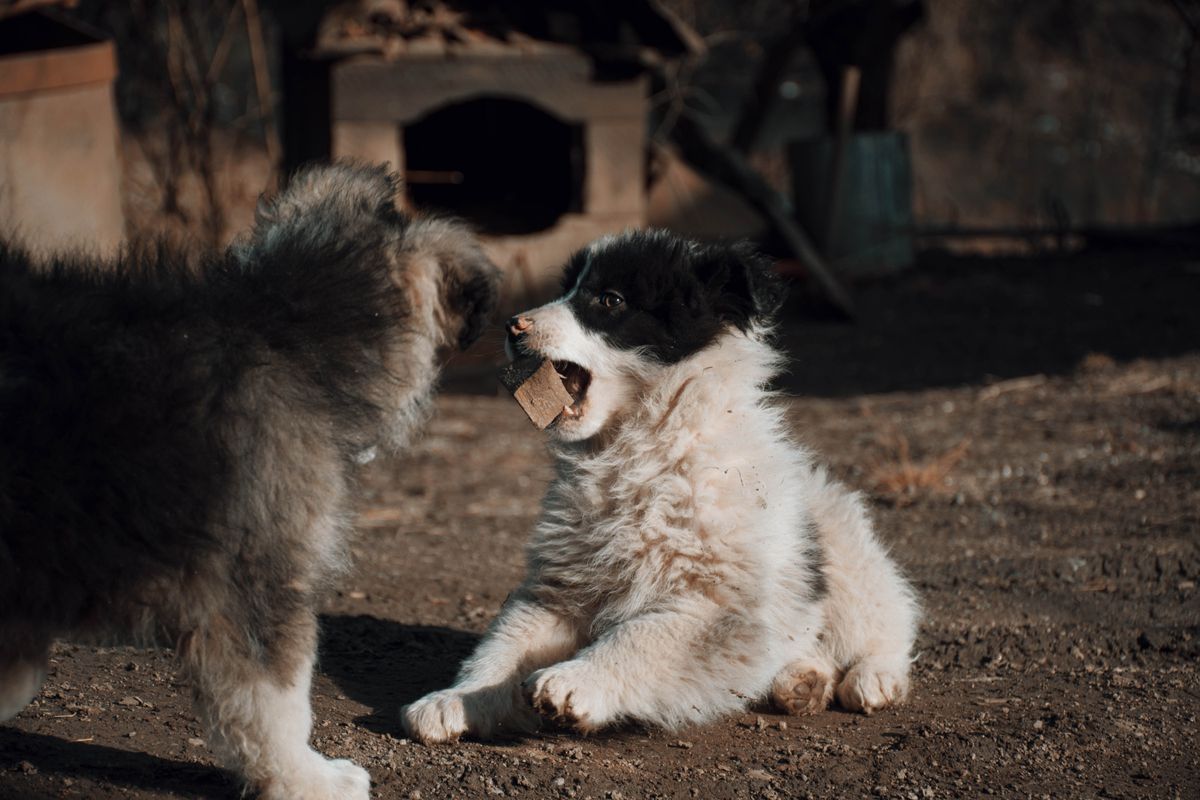
One of the biggest reasons behind a destructive puppy is teething. Puppies typically begin teething around three to four months of age, and the process continues until they’re about six months old. During this stage, chewing helps relieve sore gums and encourages healthy tooth development.
If your puppy doesn’t have safe chew toys available, they’ll often choose whatever is nearby. Furniture legs, slippers, and remote controls become attractive alternatives because they provide different textures and resistance.
Offering durable puppy-safe chew toys can satisfy this natural urge while protecting your household items.
Puppies have incredible amounts of energy. Without enough physical activity, they often release that energy through destructive behaviors.
A puppy that spends most of the day indoors without walks, games, or training sessions may begin chewing or digging simply because they’re looking for something to do. Regular exercise helps burn excess energy and promotes calmer behavior throughout the day.
Interactive games like fetch, tug-of-war, and short walks can make a noticeable difference.
Mental exercise is just as important as physical activity. Intelligent breeds especially need daily challenges to keep their minds occupied.
Puzzle feeders, treat-dispensing toys, scent games, and basic obedience training provide healthy mental stimulation. When puppies have nothing interesting to do, they often create their own entertainment—and unfortunately, that may involve destroying your belongings.
Rotating toys every few days also helps maintain your puppy’s interest.
Some puppies become destructive only when left alone. This behavior may indicate separation anxiety rather than simple boredom.
Signs include:
Gradually teaching your puppy to become comfortable alone can reduce anxiety. Start with short departures and slowly increase the amount of time away while rewarding calm behavior.
Puppies experience the world with their mouths much like young children use their hands. Chewing helps them investigate textures, smells, and objects around them.
Although this behavior is natural, supervision is important to prevent dangerous chewing on toxic plants, electrical wires, or harmful household items.
Sometimes destructive behavior points to a larger issue. Watch for signs that your puppy may need additional support.
If your puppy suddenly becomes more destructive than usual, pay attention to other behavioral changes such as:
A sudden personality change could indicate illness or emotional stress. If destructive behavior appears alongside these symptoms, consult your veterinarian for guidance.

Offer several types of safe chew toys with different textures. Rubber toys, rope toys, and puppy-safe teething rings help satisfy chewing instincts.
Whenever your puppy chooses the correct toy, reward them with praise or a small treat. Positive reinforcement teaches them which items are acceptable.
Daily exercise reduces boredom and helps prevent unwanted behaviors.
Depending on your puppy’s breed and age, aim for multiple short play sessions throughout the day rather than one long workout. Young puppies benefit from gentle activities that match their growing bodies.
A tired puppy is generally a well-behaved puppy.
Training builds communication between you and your puppy. Teaching commands like “Leave It,” “Drop It,” and “Come” helps redirect destructive behavior before it becomes a habit.
Reward desired behaviors immediately with treats, praise, or play. Avoid yelling or harsh punishment, as this may increase fear and anxiety rather than solve the problem.
Consistency is the key to successful training.
Managing your puppy’s environment makes success much easier.
Remove tempting items from reachable areas, secure electrical cords, store shoes in closets, and block access to rooms where supervision isn’t possible.
Using baby gates or exercise pens can safely limit your puppy’s access while they continue learning household rules.
Puppies thrive on predictable schedules. Regular times for meals, walks, potty breaks, naps, training, and play help reduce stress and prevent boredom.
When puppies know what to expect, they’re often calmer and less likely to develop destructive habits.
Many owners accidentally encourage destructive behavior without realizing it.
Common mistakes include:
| Mistake | Better Alternative |
| Punishing after the damage is done | Redirect immediately when caught |
| Leaving puppies alone too long | Provide breaks, toys, or supervision |
| Giving old shoes as chew toys | Offer only puppy-approved toys |
| Skipping daily exercise | Schedule regular physical activity |
| Inconsistent rules | Keep expectations consistent for everyone in the family |
Avoiding these mistakes helps your puppy learn faster while building trust.
If your destructive puppy continues damaging items despite proper exercise, training, enrichment, and supervision, professional guidance may be necessary.
A veterinarian can rule out medical conditions that contribute to unusual behavior. If health issues aren’t involved, a certified dog trainer or animal behaviorist can identify specific triggers and develop a personalized training plan.
Seeking help early often prevents destructive habits from becoming lifelong behaviors.
Living with a destructive puppy can be challenging, but it’s also a normal stage of development for many young dogs. Most destructive behaviors stem from teething, curiosity, excess energy, boredom, or anxiety—not stubbornness or bad intentions.
By providing regular exercise, mental stimulation, safe chew toys, consistent training, and a structured daily routine, you can guide your puppy toward better habits while strengthening your bond. Patience and consistency are your greatest tools. With time, your playful puppy will mature into a confident, well-behaved companion.
Most puppies are most destructive between 3 and 8 months of age, especially during the teething stage.
Many puppies improve as they mature, but proper training, exercise, and supervision are essential to prevent bad habits from continuing.
Having 5–8 safe chew toys and rotating them regularly keeps your puppy interested and reduces boredom.
No. A destructive puppy may also be experiencing teething pain, separation anxiety, lack of exercise, or natural curiosity.
No. Punishment after the fact is ineffective. Instead, calmly redirect your puppy to an appropriate chew toy and reward them for making the right choice.