Menu
Download our Petland App today for information on your local Petland's Available Pets and Pet Supplies. All at the tips of your fingers!


Download our Petland App today for information on your local Petland's Available Pets and Pet Supplies. All at the tips of your fingers!
Please create a free account, or login by clicking here.
Petland Memphis, Tennessee
August 10, 2026
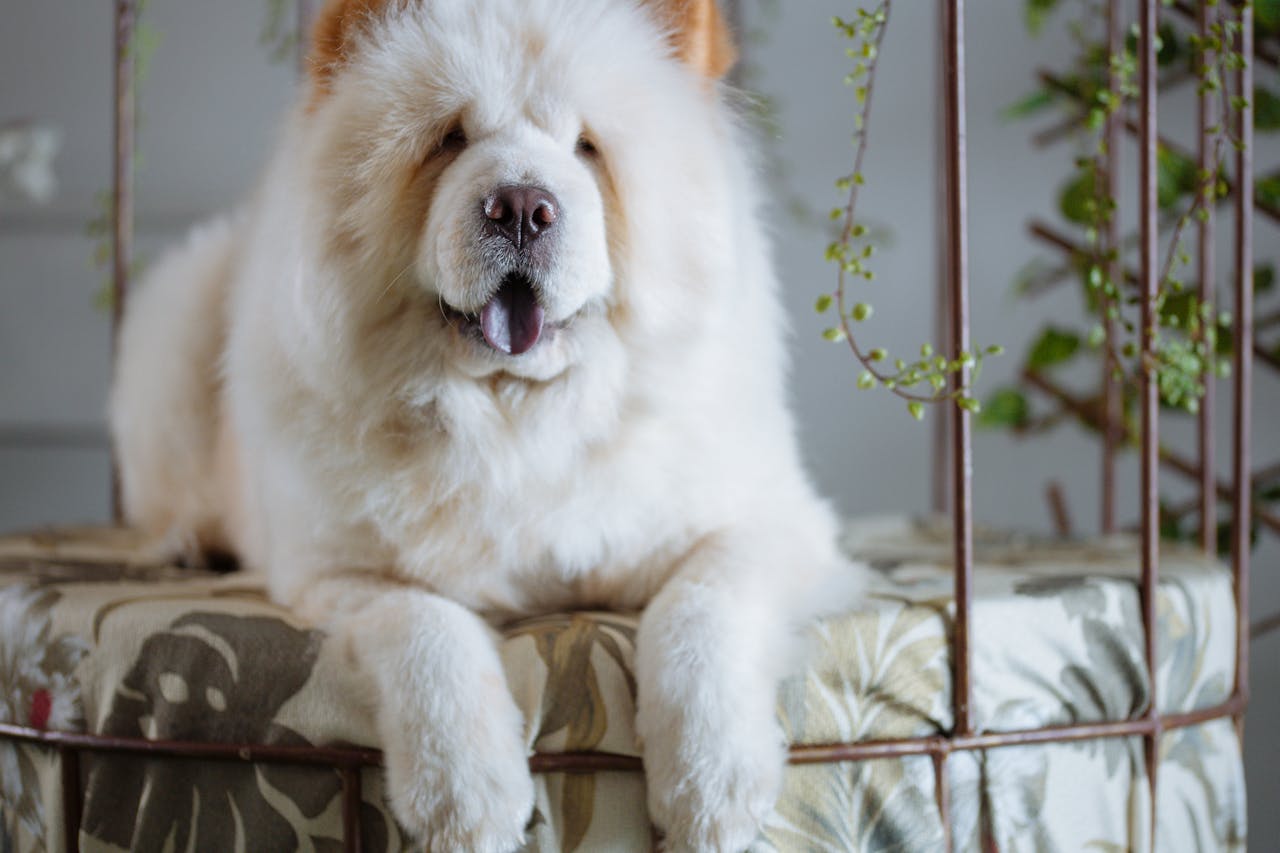
The Chow Chow is one of those breeds you can’t walk past without taking a second look. With its thick mane of fur, scowling expression, and almost lion-like stance, this dog is a showstopper. But looks aren’t everything. Chow Chows need dedicated care to stay healthy and happy. From coat maintenance to training and diet, owning this ancient breed requires commitment. If you’re considering bringing a Chow Chow into your home, this guide will walk you through everything you need to know.
The Chow Chow is an ancient dog, with roots tracing back over 2,000 years to northern China. They were bred for multiple purposes: hunting, guarding temples, pulling carts, and even serving as companions to royalty. Some even claim they were used as temple guardians because of their lion-like appearance.
The breed’s name, “Chow Chow,” came much later when English traders used the term to describe miscellaneous cargo from Asia. Eventually, the name stuck with the breed. Their history explains much about their temperament: they are proud, independent, and naturally protective.
What sets a Chow Chow apart from other dogs? Quite a few things!
Chow Chows are deeply loyal and usually form strong bonds with one or two people in the household. While they can be affectionate, they’re not the type to demand constant attention.
Think of them as a noble guardian who will watch over you but doesn’t need to be glued to your side.
Chow Chows thrive in structured environments.
Consistency in routine helps keep them calm and content.
That gorgeous mane comes with responsibility. Grooming is non-negotiable for this breed.
Skipping grooming can lead to painful mats, skin infections, and discomfort for your dog.
Bathing a Chow is a project, but it’s worth it.
Pro tip: Always brush before a bath to prevent tangles turning into mats when wet.
Beyond the coat, other areas need attention.
These small steps prevent infections and long-term health issues.
Food plays a big role in a Chow’s health and coat condition.
Keeping them on a consistent feeding routine helps with digestion and weight management.
Supplements can give your Chow a health boost.
Always consult your vet before adding supplements to avoid overdosing.
Chows are intelligent but also stubborn, which makes training both fun and challenging.
Remember, harsh training methods can backfire. Chows respect firm but gentle leadership.
A well-socialized Chow is a confident and well-mannered companion.
Proper socialization can turn their natural aloofness into calm confidence.
Every breed has potential health risks, and Chows are no exception.
Routine vet visits and preventative care are non-negotiable for a long, healthy life.
Chows aren’t hyper, but they need both physical and mental activity.
A bored Chow can become stubborn or destructive, so mix up activities to keep them engaged.
Is a Chow right for your lifestyle?
Chows thrive in calm households where routines are consistent, and boundaries are respected.
Chow Chows are majestic, dignified, and fiercely loyal dogs. They’re not a breed for everyone—grooming can be demanding, and training requires patience. But for those willing to put in the effort, they offer companionship like no other. With the right balance of diet, exercise, grooming, and love, your Chow Chow can become not just a pet but a true member of the family.
1. Are Chow Chows good family dogs?
Yes, especially with families that have older children. They’re loyal but not overly playful with toddlers.
2. How often should I groom my Chow Chow?
Brush several times a week and schedule deep grooming sessions every month.
3. Do Chow Chows get along with other pets?
With proper socialization, yes. But they may be aloof or dominant if not trained early.
4. What’s the average lifespan of a Chow Chow?
Most live 9–15 years with proper care.
5. Are Chow Chows hard to train?
They can be stubborn, but with consistency and positive reinforcement, they learn well.