Menu
Download our Petland App today for information on your local Petland's Available Pets and Pet Supplies. All at the tips of your fingers!


Download our Petland App today for information on your local Petland's Available Pets and Pet Supplies. All at the tips of your fingers!
Please create a free account, or login by clicking here.
Petland Memphis, Tennessee
June 9, 2026
Most dog owners expect a little slobber now and then. Some breeds are famous for leaving wet spots on floors, furniture, and even your clothes. However, if your dog suddenly starts producing much more saliva than normal, it can be concerning. Excessive dog drooling is often a sign that something has changed, whether it’s a harmless reaction to excitement or a symptom of an underlying health issue.
Understanding why your dog is drooling more than usual is important because saliva production is closely connected to your pet’s overall health. While some causes are temporary and harmless, others may require prompt veterinary attention. Knowing what to look for can help you decide whether your dog’s drooling is normal or a signal that something needs to be addressed.
Drooling is a completely natural process for dogs. Saliva helps moisten food, aids digestion, and keeps the mouth healthy. Certain breeds naturally drool more than others due to the structure of their lips and jaws. Breeds such as Bloodhounds, Saint Bernards, Mastiffs, and Bulldogs are well known for their excessive slobber.
Normal dog drooling often occurs during mealtime or when a dog smells something delicious. It’s similar to how humans may salivate when anticipating food. Warm weather and physical activity can also increase saliva production because dogs rely on panting to regulate body temperature.
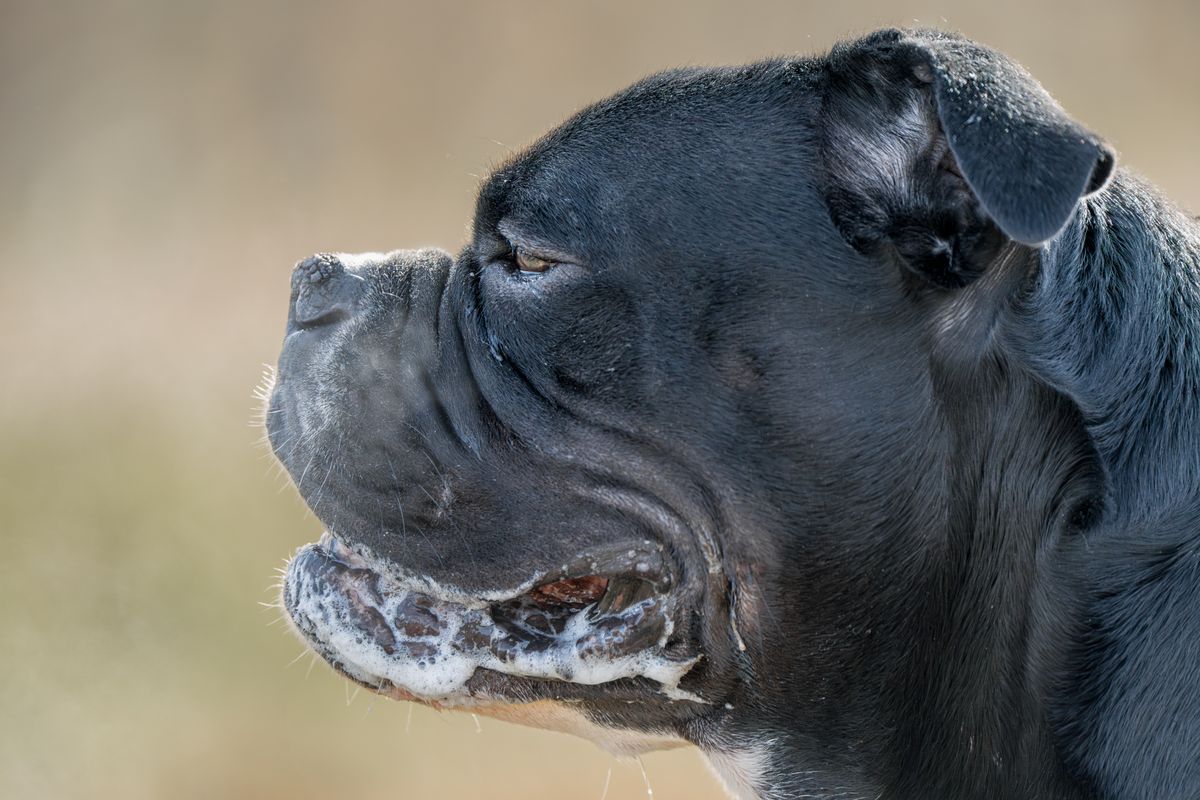
Excessive drooling, also known as ptyalism, occurs when a dog produces significantly more saliva than normal. This can happen suddenly or develop gradually over time. The amount of drool may become noticeable on bedding, floors, or around the dog’s mouth and chest.
Abnormal drooling often accompanies other warning signs. You may notice bad breath, difficulty eating, pawing at the mouth, vomiting, lethargy, or behavioral changes. These additional symptoms can help identify the underlying cause.
A sudden increase in dog drooling should never be ignored, especially if your pet appears uncomfortable or distressed. While some causes are minor, others may indicate serious medical conditions that require immediate treatment.
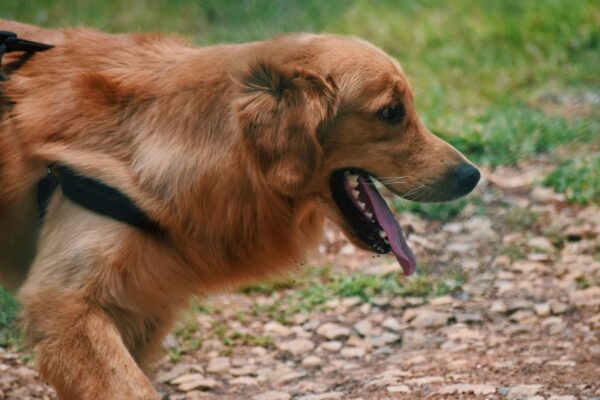
One of the simplest causes of excessive drooling is excitement. Many dogs begin salivating heavily when they see food, prepare for a walk, or greet a favorite person. This type of drooling is usually temporary and disappears once the exciting event passes.
Dogs can also drool when feeling anxious or stressed. Trips to the veterinarian, car rides, or unfamiliar environments may trigger increased saliva production. In these situations, drooling is often accompanied by pacing, whining, or restlessness.
Because emotional responses can affect saliva production, it’s helpful to consider recent events before assuming a medical problem is present.
Dental disease is one of the most common health-related causes of dog drooling. Conditions such as gum infections, tooth abscesses, broken teeth, and severe tartar buildup can irritate the mouth and increase saliva production.
Dogs with dental pain may have difficulty chewing or show less interest in food. You may also notice foul breath, bleeding gums, or swelling around the face and mouth. Since dogs cannot tell us when their teeth hurt, excessive drooling often becomes one of the first visible warning signs.
Routine dental care plays a major role in preventing these problems and maintaining overall oral health.
Hot weather can significantly increase drooling in dogs. When temperatures rise, dogs pant to cool themselves down. Increased panting often leads to greater saliva production and visible drooling.
Excessive drooling combined with heavy panting, weakness, or disorientation may indicate heat exhaustion or heatstroke. These conditions are medical emergencies and require immediate action. Moving the dog to a cooler environment and seeking veterinary care can be lifesaving.
Providing shade, fresh water, and avoiding intense exercise during hot weather helps reduce the risk of heat-related drooling problems.
Some dogs experience nausea during car rides or travel. Motion sickness often triggers excessive drooling before vomiting occurs. Puppies are especially prone to this issue because their inner ear structures are still developing.
A dog suffering from motion sickness may appear restless, yawn repeatedly, or become unusually quiet. The drooling typically stops once the trip ends. If travel-related drooling occurs frequently, your veterinarian may recommend strategies or medications to reduce discomfort.
Dogs are naturally curious and may accidentally lick, chew, or ingest substances that irritate the mouth. Household cleaners, toxic plants, medications, and certain foods can all trigger excessive drooling.
When toxins are involved, drooling often develops suddenly and may be accompanied by vomiting, diarrhea, tremors, or difficulty breathing. Immediate veterinary attention is essential because some toxins can become life-threatening within a short period of time.
Several health conditions can cause persistent or severe drooling. Oral tumors, throat injuries, and foreign objects lodged in the mouth can interfere with normal swallowing and increase saliva production. Even a small piece of bone or stick stuck between the teeth can create significant irritation.
Gastrointestinal disorders may also contribute to excessive salivation. Dogs experiencing nausea often drool heavily before vomiting. Kidney disease, liver disease, and certain neurological disorders can affect saliva production as well.
In some cases, drooling is linked to conditions that affect the nervous system’s ability to control swallowing. These situations typically require comprehensive veterinary evaluation and treatment.
While mild drooling is often harmless, certain symptoms should never be ignored. Sudden excessive drooling combined with vomiting, difficulty breathing, collapse, seizures, or severe lethargy requires immediate veterinary care.
You should also seek professional help if your dog struggles to eat, paws constantly at the mouth, develops facial swelling, or shows signs of significant pain. These symptoms may indicate serious dental problems, poisoning, or other medical emergencies.
The timing of the drooling can also provide important clues. Rapid onset often suggests an acute problem, while gradual increases may point toward chronic health conditions that require diagnosis and management.
Diagnosing the cause of dog drooling begins with a thorough physical examination. Veterinarians typically inspect the mouth, teeth, gums, and throat for signs of injury, infection, or foreign objects. Medical history and recent changes in behavior or diet are also important considerations.
Additional tests may include blood work, dental X-rays, imaging studies, or specialized examinations depending on the suspected cause. These diagnostic tools help identify underlying health issues and guide treatment decisions.
Because many different conditions can cause drooling, professional evaluation is often necessary to determine the exact reason and create an effective treatment plan.
Treatment depends entirely on the underlying cause. Dental issues may require professional cleaning, tooth extraction, or antibiotic therapy. Dogs experiencing nausea or motion sickness may benefit from medications that reduce stomach upset and salivation.
If heat-related illness is responsible, immediate cooling and supportive care are essential. Toxicity cases often require emergency treatment to remove or neutralize harmful substances. Chronic medical conditions may involve long-term management plans tailored to the dog’s specific needs.
The good news is that many causes of excessive drooling respond well to treatment once properly diagnosed. Addressing the root problem often leads to a noticeable reduction in saliva production.
Preventive care is one of the best ways to reduce the risk of abnormal drooling. Regular dental cleanings help prevent gum disease and tooth infections. Daily tooth brushing can also improve oral health and reduce future problems.
Keeping harmful substances out of reach minimizes the risk of poisoning. Providing fresh water, avoiding excessive heat exposure, and monitoring your dog during outdoor activities support overall well-being. Regular veterinary checkups help identify potential health concerns before they become serious.
Paying attention to changes in your dog’s behavior, appetite, and drooling patterns allows you to catch problems early and seek treatment when needed.
Dog drooling is often a normal part of canine life, but sudden or excessive drooling can signal underlying problems that deserve attention. Causes range from excitement and motion sickness to dental disease, heat-related illness, and serious medical conditions.
Understanding what is normal for your dog makes it easier to recognize unusual changes. When excessive drooling occurs alongside other symptoms, prompt veterinary care can help identify the cause and ensure appropriate treatment. Staying proactive about your dog’s health is the best way to keep them comfortable, happy, and safe.
No. Excitement, anticipation of food, and certain breeds naturally produce more saliva than others.
Yes. Gum infections, tooth decay, and oral pain are common causes of excessive drooling.
Many dogs experience motion sickness, which often causes nausea and increased saliva production.
Seek veterinary attention if drooling is sudden, severe, or accompanied by vomiting, weakness, or difficulty breathing.
Yes. Heat and overheating often increase drooling, especially when combined with heavy panting.