Menu
Download our Petland App today for information on your local Petland's Available Pets and Pet Supplies. All at the tips of your fingers!


Download our Petland App today for information on your local Petland's Available Pets and Pet Supplies. All at the tips of your fingers!
Please create a free account, or login by clicking here.
Petland Memphis, Tennessee
May 25, 2026
Watching a puppy grow is a little like watching a tiny whirlwind transform into a confident companion right before your eyes. One week they are wobbling around like furry potatoes, and the next they are sprinting across the house stealing socks and chewing chair legs. Understanding puppy growth helps dog owners know what is normal, what needs attention, and how to support their pet during every stage of development. Puppies do not simply grow bigger; their brains, muscles, bones, teeth, and personalities all change month by month. Every stage brings exciting milestones along with a few challenges.
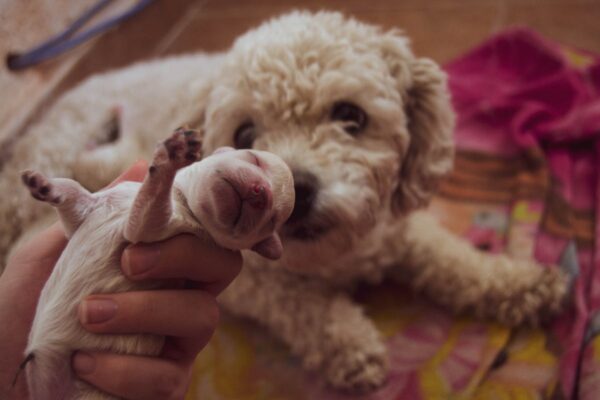
The first two months of a puppy’s life are incredibly important. During the newborn stage, puppies rely completely on their mother for warmth, food, and protection. They are born blind, deaf, and unable to walk properly. Within the first two weeks, their eyes begin to open, and they slowly start responding to sounds around them. It is fascinating to see how quickly these tiny creatures change. One day they are barely moving, and soon they are crawling over each other like playful little explorers.
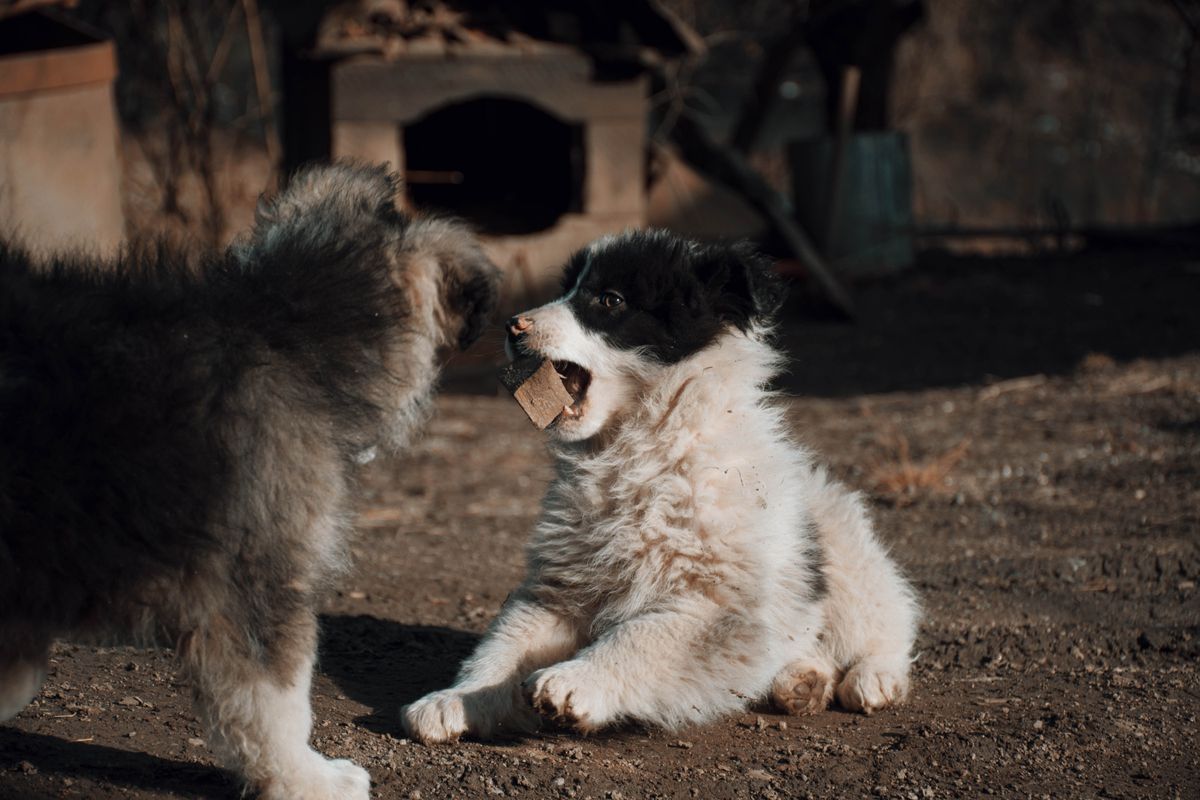
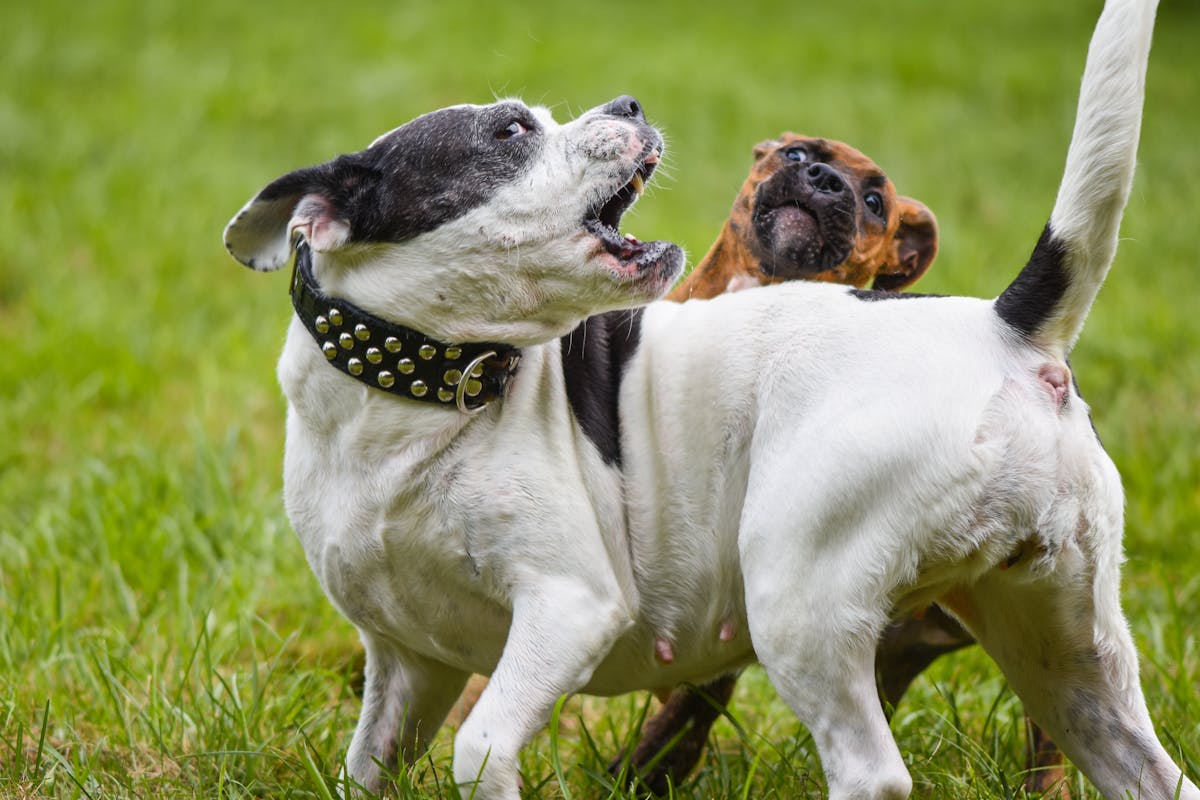
By the third and fourth week, puppies begin developing coordination and curiosity. This is the stage where social interaction becomes crucial. Puppies start learning how to communicate with their littermates through barking, biting, tail wagging, and playful wrestling. These early interactions shape their future personality and behavior. Puppies separated too early from their litter may struggle with social skills later in life because they miss out on these important lessons.
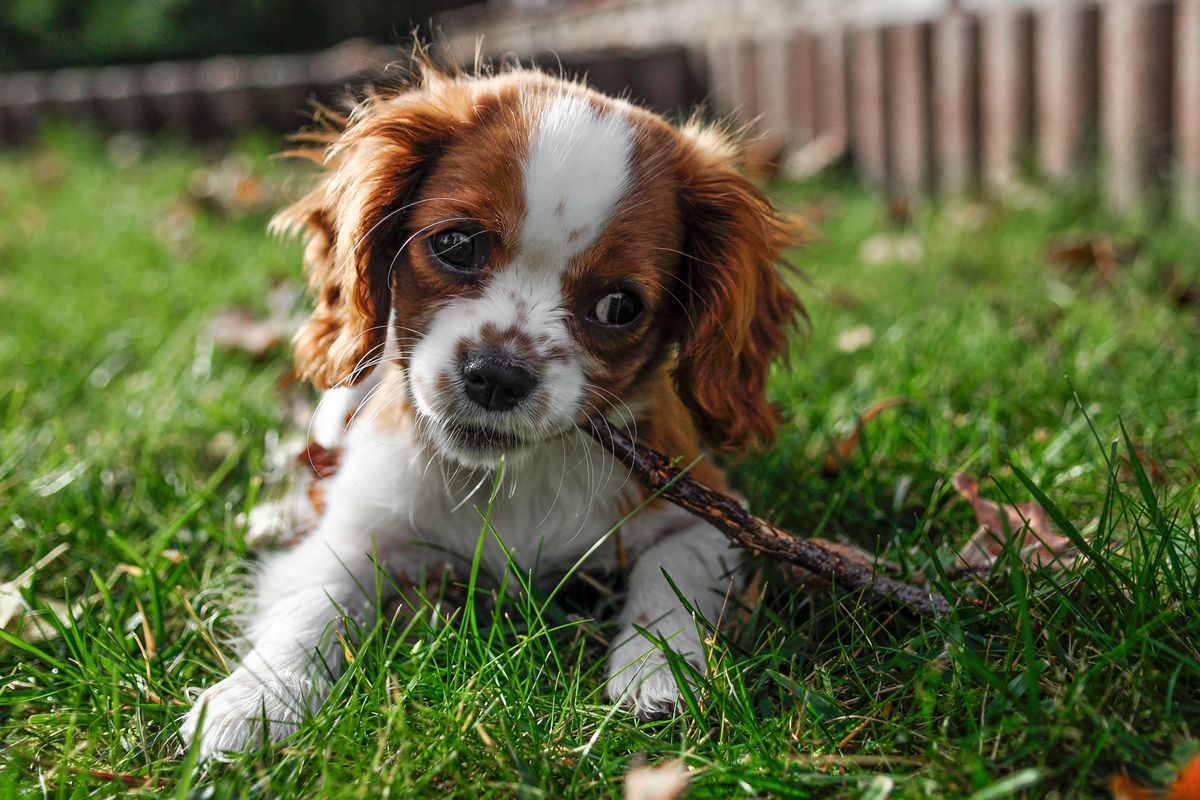
At three months old, puppies enter one of the most playful and chaotic stages of development. Their confidence begins to grow, and suddenly everything becomes a toy. Shoes, furniture, hands, and even table legs become targets for chewing because teething starts becoming uncomfortable. Puppy teeth are sharp like tiny needles, which explains why playful nips can feel surprisingly painful. This stage often tests an owner’s patience, but it is also one of the best times to begin proper training.
Training during this stage is like planting seeds in fertile soil. Puppies are highly curious and eager to learn, which makes it easier to teach commands like sit, stay, and come. Positive reinforcement works wonders because puppies respond better to rewards and praise rather than punishment. Consistency is key. If rules constantly change, puppies become confused and may develop stubborn habits that are difficult to correct later.
Between four and five months, puppies often look awkward and uneven as their bodies grow rapidly. Some seem to have oversized paws, long legs, or floppy ears that suddenly appear too big for their heads. This uneven growth is completely normal. It is similar to human teenagers going through growth spurts where arms and legs seem to stretch overnight. Puppies may gain height faster than weight during this stage, creating that lanky appearance many owners find adorable.
Behaviorally, puppies become more independent and adventurous around this age. They may start testing boundaries by ignoring commands they previously followed well. This does not mean they forgot their training. Instead, they are exploring their independence and learning what they can get away with. Owners who stay patient and consistent during this stage usually raise more obedient adult dogs later on.
At six months old, many puppies begin entering what owners often call the “teenage phase.” This stage can feel like living with a furry rebel who suddenly ignores rules and makes questionable life choices. Puppies may become more stubborn, excitable, or distracted. Even well-trained puppies can start acting as though they have forgotten every command they ever learned. This behavior is completely normal and linked to hormonal and emotional changes happening during development.
Exercise becomes increasingly important at this age, but balance is necessary. Puppies need enough activity to burn energy and build healthy muscles without damaging growing joints. Interactive games, training sessions, and structured walks work better than excessive running or jumping. Mental stimulation is equally important because bored puppies often create their own entertainment, which usually involves chewing or digging. Teaching patience, reinforcing boundaries, and continuing socialization help shape a well-behaved adult dog during this critical phase of puppy growth.
Between seven and twelve months, puppies slowly transition into young adults. Their personalities become clearer, and owners often notice stronger emotional bonds forming during this period. Puppies begin showing more confidence and independence while still displaying occasional bursts of puppy-like chaos. One moment they behave maturely, and the next they are racing around the house carrying a stolen sock like a prized trophy.
Large breed dogs continue growing steadily during these months, while smaller breeds may reach their full size earlier. Muscle definition becomes more visible, and their coats often appear shinier and fuller. Puppies also develop improved coordination and endurance, making them more capable during walks, hikes, or play sessions. Training should continue consistently because adolescence is when long-term habits truly become established.
Not every puppy follows a perfect growth pattern, and occasional concerns may arise during development. Some puppies gain weight too slowly, while others become overweight due to overfeeding or lack of exercise. Poor nutrition is one of the most common causes of unhealthy puppy growth because low-quality food may lack important nutrients needed for proper bone and muscle development.
Certain health conditions can also affect growth. Parasites, digestive problems, or genetic disorders may prevent puppies from absorbing nutrients properly. Limping, low energy, poor appetite, or sudden weight loss should never be ignored. Puppies grow quickly, so even small health problems can impact development if left untreated for too long.
Supporting healthy puppy development requires more than simply filling a food bowl twice a day. Puppies need balanced nutrition, regular exercise, mental stimulation, and emotional support. Feeding high-quality puppy food designed for your dog’s breed size is one of the best ways to encourage proper growth. Fresh water should always be available because hydration supports digestion, joint health, and overall energy levels.
Routine also plays a huge role in raising a healthy puppy. Dogs thrive when meals, walks, training, and sleep happen consistently each day. Proper sleep is especially important because puppies grow and recover while resting. Most young puppies sleep between 16 and 20 hours daily, which may seem excessive but is completely natural.
Understanding puppy growth month by month makes it easier to support your dog through every exciting stage of development. From the fragile newborn weeks to the energetic teenage months, puppies experience massive physical and emotional changes during their first year of life. Every growth stage brings new challenges, learning opportunities, and unforgettable moments that shape the bond between owner and dog.
Puppies usually grow the fastest between two and six months of age when their bones and muscles develop rapidly.
A healthy puppy has good energy levels, a healthy appetite, steady weight gain, and regular veterinary checkups.
Most puppies finish teething around six months old when their adult teeth fully appear.
Yes, large breeds often take 12 to 24 months to fully mature, while small breeds may finish growing within a year.
High-quality puppy food with balanced protein, fats, vitamins, and minerals supports healthy development.