Menu
Download our Petland App today for information on your local Petland's Available Pets and Pet Supplies. All at the tips of your fingers!


Download our Petland App today for information on your local Petland's Available Pets and Pet Supplies. All at the tips of your fingers!
Please create a free account, or login by clicking here.
Petland Memphis, Tennessee
September 14, 2026
Bringing home a puppy is exciting. One moment you’re browsing adorable photos online, and the next you’re imagining tiny paws running across your floor. But then reality hits—the cost. Depending on breed, breeder reputation, and location, a puppy can cost anywhere from a few hundred dollars to several thousand. That’s where puppy financing enters the conversation.
For many families, paying the full amount upfront simply isn’t realistic. Special financing plans allow buyers to spread the cost over time instead of making one large payment. Think of it like buying a car or furniture on installments. You get the puppy now and pay in manageable monthly amounts. Sounds convenient, right? It can be but only if you understand exactly how these plans work
Puppy financing is a payment arrangement that lets you buy a puppy and pay for it over time instead of all at once. Usually, a breeder, pet store, or third-party lender offers the financing. Instead of paying the full amount upfront, you agree to monthly payments over a set period.
Find Petland Puppy Financing here.
Here’s a simple example. Imagine a puppy costs $2,500. Rather than paying the full amount immediately, a financing plan might allow you to pay $250 monthly for 12 months. Depending on the agreement, interest or fees may be added. That means the total amount paid could be higher than the original price.
Why has financing become so popular? The answer is simple: puppies are expensive, especially purebred or specialty breeds. Some breeds like French Bulldogs or English Bulldogs can cost several thousand dollars. Add vaccinations, initial vet visits, toys, beds, crates, and grooming, and the first-year expenses can feel overwhelming.
The process of puppy financing is usually straightforward. First, you choose the puppy you want. Then, if financing is available, you complete an application. This may require personal information such as income, employment details, and credit history.
Lenders use this information to assess risk. If your credit score is strong, approval is often easier and interest rates may be lower. Some financing companies also offer options for people with average or limited credit, though rates may be higher. Once approved, you’ll receive payment terms.
Common financing terms include:
Monthly payments might look affordable at first glance. That’s where many buyers make mistakes. A low monthly payment can hide high interest charges. For example, a $2,000 puppy financed over 36 months may end up costing $3,000 or more after fees and interest.
Always read the fine print carefully. Hidden fees can turn a “good deal” into an expensive decision.
Not all financing works the same way. There are several common options, and each has pros and cons.
Some breeders offer direct payment plans. Instead of using a bank, you pay the breeder in installments. This option may feel more personal and flexible. Some breeders require a deposit followed by scheduled payments.
The advantage is simplicity. Approval may be easier than traditional financing. The downside? Terms vary widely, and protections may be limited.
Many breeders partner with lenders that specialize in consumer financing. These lenders pay the breeder upfront while you repay the lender monthly.
This option offers structure and clear payment schedules. But interest rates can be significant, especially if your credit isn’t strong.
Some buyers use credit cards, especially promotional cards with 0% introductory APR offers. This can work well if you repay quickly before interest kicks in.
The danger is obvious—credit card interest can be extremely high if balances remain unpaid.
Choosing the right financing method depends on your income, credit score, and repayment ability.
Here’s something many first-time owners underestimate: buying the puppy is only the beginning. The purchase price may be the biggest single payment, but ongoing costs add up fast.
Food is a recurring expense. High-quality puppy food costs more but supports growth and development. Grooming costs depend heavily on breed. Long-haired breeds often require professional grooming every few weeks.
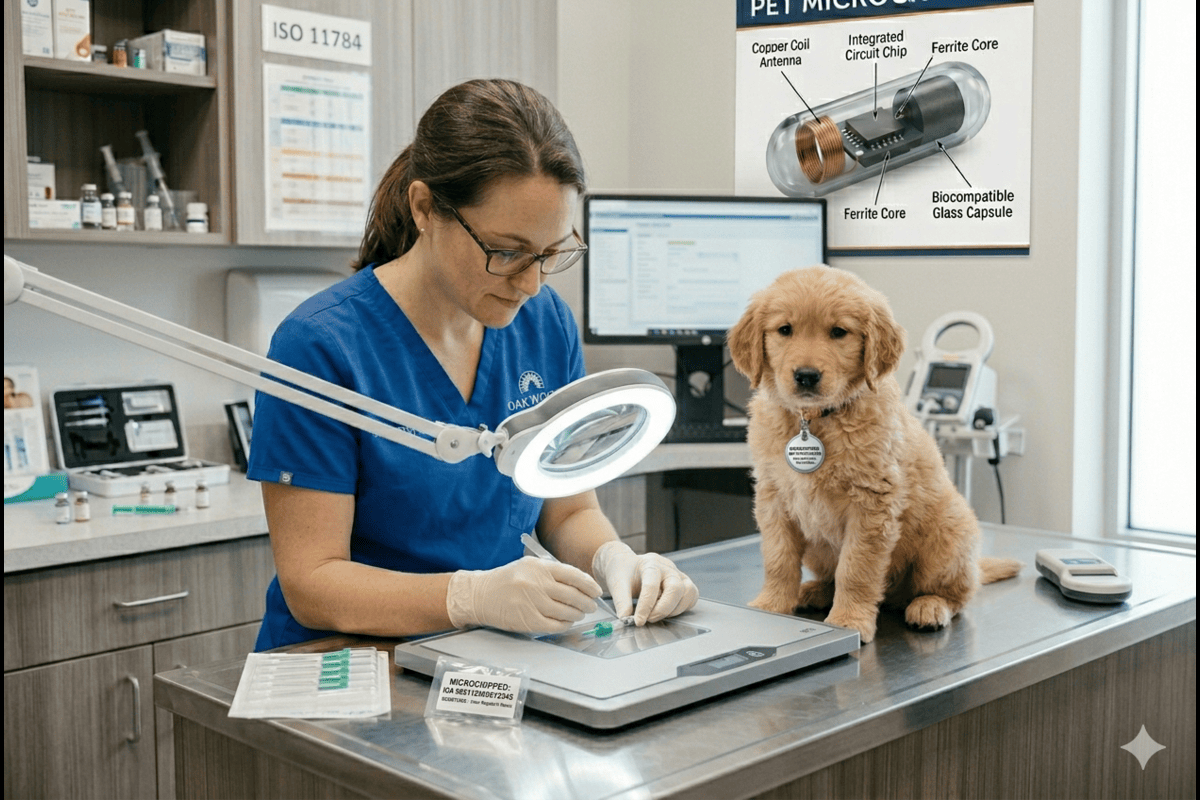
Veterinary expenses can surprise new owners. Initial vaccinations, deworming, wellness exams, microchipping, and spaying or neutering all cost money. Emergency vet visits can become expensive very quickly.
Training is another cost people overlook. Basic obedience classes help prevent behavioral problems later. Supplies such as bowls, leashes, collars, toys, beds, and crates also add up.
Here’s a quick estimate:
| Expense | Estimated Cost |
| Food | $30–$100/month |
| Vet Care | $500–$1,500/year |
| Grooming | $40–$150/session |
| Training | $100–$500 |
This is why financing only the purchase price can create a false sense of affordability. You must budget for the full picture.
There are clear benefits to puppy financing when used responsibly. The biggest advantage is accessibility. Financing allows families to bring home a puppy without waiting months or years to save the full amount.
Another benefit is cash flow management. Instead of depleting savings, buyers can preserve emergency funds. This matters because pets often bring unexpected costs.
Financing can also help with planning. Fixed monthly payments create predictable expenses, making budgeting easier. For disciplined borrowers, financing may even help build credit if payments are made on time.
The emotional benefit matters too. For some families, a puppy provides companionship, emotional support, and joy that can’t easily be measured financially.
Still, convenience should never replace careful financial planning.
Financing a puppy carries real risks. The biggest is paying far more than the puppy’s original price. Interest, service charges, and late fees can dramatically increase costs.
Impulse buying is another danger. Financing lowers the psychological barrier to purchase. A puppy that feels “too expensive” at $3,000 may suddenly feel affordable at $120 per month—even when it isn’t.
Missing payments can hurt your credit score. Some lenders report late payments to credit bureaus. Debt stress can also make pet ownership less enjoyable.
There’s also an ethical consideration. Some pet stores aggressively market financing to encourage emotional purchases. Cute puppies can make people ignore financial warning signs.
Ask yourself one honest question: if an emergency vet bill appeared tomorrow, could you handle it? If not, financing may not be the right path yet.
Financing isn’t the only option. Saving in advance is often the safest route. Even waiting six months can make a huge difference financially.
Adoption is another excellent alternative. Shelters and rescue organizations often charge much lower fees than breeders. Adoption fees frequently include vaccinations and microchipping.
You can also create a dedicated puppy savings fund. Automatic transfers make saving easier over time.
Sometimes the best financial decision is patience.
Puppy financing can make puppy ownership more accessible, but it should be approached carefully. Financing spreads costs over time, which helps with cash flow, but interest and fees can significantly increase total expenses. The real cost of dog ownership goes far beyond the purchase price, including food, healthcare, grooming, and training.
It can be if you have stable income and understand the repayment terms.
Not always, but better credit usually means better rates.
Some organizations offer payment assistance, but it varies.
Some promotional plans offer 0% interest for limited periods.
Saving is usually safer because it avoids debt and interest.







Bringing home a new pet is an exciting milestone, but choosing where to find your furry family member can be challenging. Petland has established itself as a reliable and compas...

That adorable puppy isn’t just cute; it’s a complex creature needing specific things — understanding what makes a puppy thrive is key to their happiness and de...

So, you’re thinking about getting a puppy from Petland? Get ready because you’re not just taking home a bundle of furry joy. You’re also getting a full-on star...

Bringing home a new puppy is like adding a little tornado of energy to your life. They zoom around, chew on everything, and look at you with those big, eager eyes that say, R...

Bringing a dog into your family is a big decision that comes with lots of joy, responsibility, and, of course, plenty of tail wags. With so many breeds to choose from, finding t...