Menu
Download our Petland App today for information on your local Petland's Available Pets and Pet Supplies. All at the tips of your fingers!


Download our Petland App today for information on your local Petland's Available Pets and Pet Supplies. All at the tips of your fingers!
Please create a free account, or login by clicking here.
Petland Memphis, Tennessee
February 13, 2026
Puppies are little explorers, curious about everything around them. From the moment they open their eyes, they are learning, observing, and figuring out who belongs to their world. As a new puppy owner, understanding how puppies recognize humans and forming a strong bond early is key to raising a happy, confident dog.
Building trust and affection during these early weeks isn’t just heartwarming—it lays the foundation for a lifelong relationship.
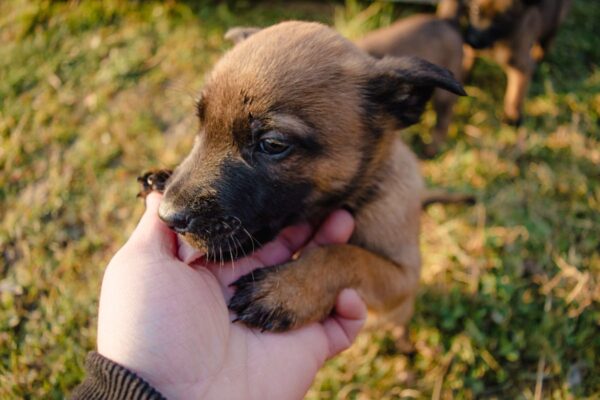
Puppies go through a critical socialization window from about 3 to 14 weeks of age. During this time, they are highly impressionable and form long-lasting impressions of humans, other animals, and their environment. Positive experiences now make your puppy more confident and adaptable as an adult.
Early bonding sets the stage for a well-adjusted, affectionate adult dog.
Puppies don’t see the world exactly like we do, but they use multiple senses to identify and connect with humans.
A dog’s sense of smell is far more advanced than ours. Puppies can recognize you by scent alone, distinguishing your smell from others in seconds. This is why consistent presence and gentle handling are crucial—they imprint your unique scent as a sign of safety.
While puppies’ eyesight develops over time, they do start recognizing shapes, colors, and facial features. They may not see everything clearly at first, but they learn to identify your face, body language, and movement patterns.
Puppies are excellent at picking up on tone, pitch, and cadence. Your voice becomes a key identifier, especially when paired with positive experiences like treats or praise. Using a calm, happy tone helps reinforce trust.
Physical touch communicates safety and affection. Gentle petting, cuddles, and massages help your puppy associate your presence with comfort, which strengthens the bond.
Here’s how to build a strong bond that will last a lifetime.
Regular interaction is crucial. Even short, frequent sessions of play, training, or cuddling allow your puppy to associate you with positive experiences.
Puppies are delicate, and their early experiences shape their perception of humans. Handle your puppy gently, support their body properly, and avoid sudden movements that might scare them.
Reward-based training is the fastest way to strengthen bonds. Use treats, praise, and toys to encourage good behavior. Puppies learn that following your guidance brings rewards, which deepens trust.
Interactive games like fetch, tug-of-war, or puzzle toys not only tire your puppy physically but also engage their mind. Mental stimulation reinforces your role as a source of fun and safety.
Dogs thrive on routine. Feeding, potty breaks, and playtime should happen at regular intervals. Predictable schedules help your puppy feel secure and connected.
Hand-feeding treats or meals can teach your puppy to associate you with positive experiences. Start with small amounts and gradually encourage them to take food gently from your hand.
Grooming doesn’t just keep your puppy clean—it strengthens your bond. Brushing, nail trimming, and gentle bathing are opportunities for touch, reassurance, and trust-building.
These are clear indicators your bonding efforts are paying off.
If your puppy is scared, respond calmly. Avoid forcing interaction, use soft tones, and offer gentle encouragement. Gradual exposure and positive reinforcement help them overcome fear.
Yelling or physical punishment can damage trust. Puppies remember negative experiences, and harsh treatment may make them fearful or aggressive.
Neglecting play, socialization, or care can hinder bonding. Puppies need consistent interaction and guidance to feel secure.
Puppies that trust their owners are easier to train. Commands are learned faster, and reinforcement is more effective.
A well-bonded puppy is less likely to develop destructive or fearful behaviors. Emotional security reduces stress-induced issues like chewing, barking, or separation anxiety.
Early bonding creates a deep, lasting relationship. Your puppy grows to see you as a trusted companion, leading to years of loyalty and love.
Building a strong bond with your puppy starts from day one. Through scent, sight, voice, and touch, puppies learn to recognize and trust humans. Consistent care, play, positive training, and gentle handling reinforce that bond.
Investing time in bonding today pays off with a confident, happy, and loving adult dog who sees you as their lifelong companion.
1. How can I bond with my puppy in the first few weeks?
Spend quality time playing, training, and gently handling your puppy while using treats and positive reinforcement.
2. Do puppies recognize owners by scent or sight first?
Scent is usually the first way puppies identify humans, but visual and auditory recognition develop as they grow.
3. Can hand-feeding improve bonding?
Yes, hand-feeding teaches puppies to associate you with positive experiences and encourages gentle behavior.
4. How much playtime is ideal for bonding?
Multiple short sessions daily, totaling at least 30–60 minutes depending on age and energy level, is recommended.
5. What mistakes should I avoid to strengthen the bond?
Avoid harsh punishment, neglecting interaction, and inconsistency, as these can create fear or distrust.