Menu
Download our Petland App today for information on your local Petland's Available Pets and Pet Supplies. All at the tips of your fingers!


Download our Petland App today for information on your local Petland's Available Pets and Pet Supplies. All at the tips of your fingers!
Please create a free account, or login by clicking here.
Petland Memphis, Tennessee
July 24, 2026
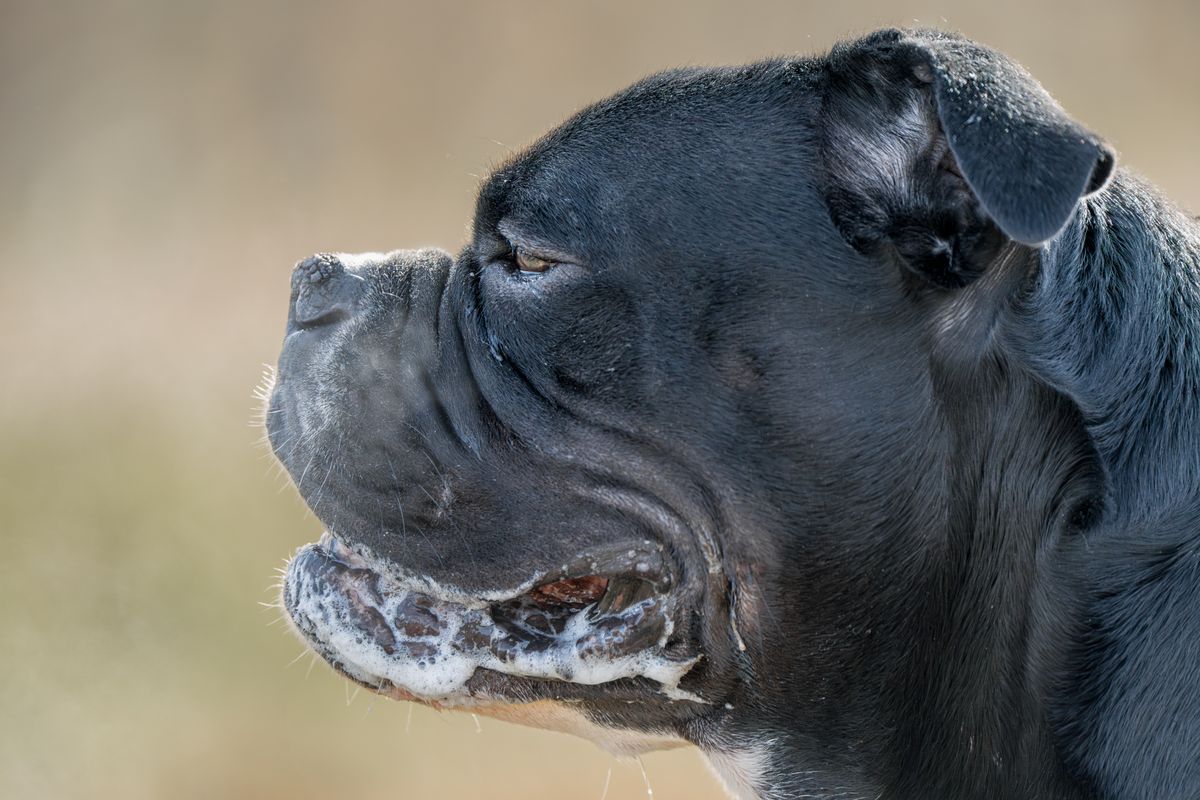
If your dog suddenly growls, snaps, or becomes defensive around food, it can feel confusing and alarming. One moment your dog is calm and affectionate, and the next, mealtime turns into a tense situation. This behavior is commonly known as dog food aggression, and it is more common than many pet owners realize.
Food aggression happens when a dog feels the need to protect its food from people or other animals. Think of it like someone guarding their most valuable possession. To your dog, that bowl of food may feel like an important resource worth defending. The behavior can range from subtle warning signs to serious aggression, depending on the dog and situation.
Understanding why this happens is the first step toward solving it safely.
Dog food aggression is a type of resource guarding where a dog becomes protective over food, treats, or feeding areas. The aggression can be directed toward humans, other dogs, or both.
Common signs include:
Not every aggressive response looks dramatic. Some dogs simply stiffen their body or lower their head over the bowl. These subtle signals are important warning signs.
There is rarely one single reason behind dog food aggression. Usually, several factors contribute to it.
Dogs still carry instincts from their wild ancestors. In the wild, food is limited and competition is real. Protecting food increases survival chances.
Even domesticated dogs may retain this instinct.
Dogs rescued from neglectful environments often develop strong guarding behaviors. If a dog once experienced hunger or competition for meals, they may feel threatened whenever someone approaches their food.
For these dogs, food equals security.
Multi-pet households often trigger guarding behavior. If one dog feels another pet might steal food, aggression can develop quickly.
Breeds with strong guarding instincts such as Rottweiler, Doberman Pinscher, or German Shepherd may show stronger protective behaviors, though any breed can develop it.
Sometimes dogs learn aggression works. If growling makes people back away, the dog learns that aggressive behavior protects food.
This reinforcement strengthens the habit.
To a degree, resource guarding is natural canine behavior. The problem begins when it becomes unsafe or escalates.
A mild warning signal such as stiffening may simply mean your dog feels uncomfortable. Punishing the warning is risky because it can teach the dog to skip warnings and bite without notice.
That is why understanding behavior matters more than reacting emotionally.
Your dog is usually not being “bad” or trying to dominate you. Most of the time, they are responding to fear, insecurity, or learned protection.
Not all cases are equally serious.
The dog stiffens or eats faster when approached.
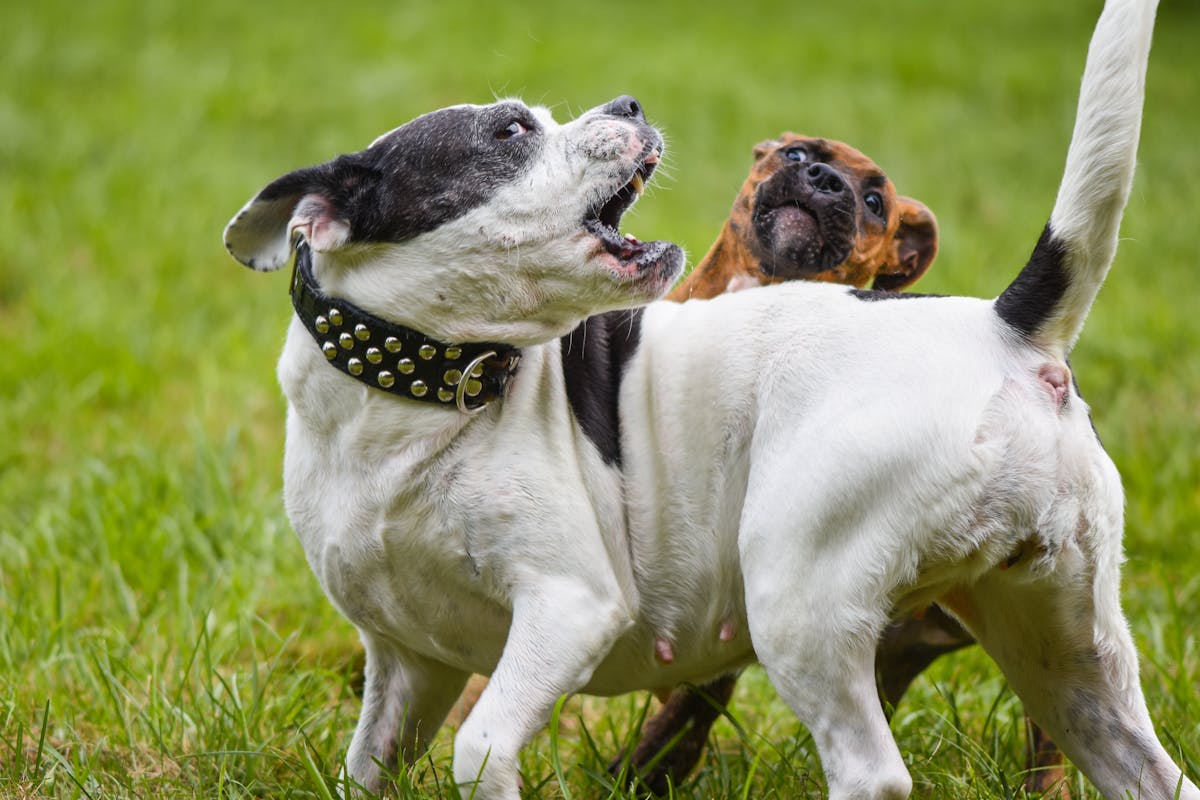
The dog growls, barks, or shows teeth.
The dog lunges, snaps, or bites.
Knowing the severity helps determine whether home training is enough or professional help is needed.
Many owners accidentally worsen dog food aggression.
Some people remove the bowl to “show dominance.” This often increases anxiety and teaches the dog that humans really do steal food.
Growling is communication. If punished, the dog may stop warning and jump directly to biting.
Repeatedly hovering near the bowl can make nervous dogs more defensive.
Respecting boundaries during training matters.
Improving dog food aggression takes patience and consistency.
Give your dog a calm, safe feeding area away from noise, children, or other pets.
This reduces stress.
Approach the bowl from a safe distance and toss high-value treats such as chicken or cheese.
Your dog learns something important: human approach equals better rewards.
Over time, this changes emotional response.
Hand feeding can help build trust in mild cases. It teaches your dog that food comes from you, not despite you.
Only attempt this if aggression is mild.
If multiple pets create tension, feed them in different rooms.
This removes competition.
Some cases require expert support. If your dog has bitten someone, consult a certified trainer or veterinary behaviorist immediately.
Look for professionals using reward-based methods. Harsh correction can worsen fear-based aggression. Professional guidance becomes especially important if children are in the home.
Yes, puppies can show guarding behavior too. Early intervention matters because habits become stronger with age.
Puppies may growl over food, toys, or treats if they feel threatened. Teaching calm feeding routines early helps prevent long-term issues.
Make feeding time positive and predictable.
Not every intense mealtime behavior is aggression.
Some dogs bark, jump, or spin because they are excited. That is very different from resource guarding.
Aggression usually includes defensive body language such as:
Excitement looks energetic, not threatening.
Learning this difference helps avoid misreading behavior.
In many cases, yes—or at least significantly improved.
The goal is not simply stopping growling. The real goal is changing how your dog feels about people near food. When fear decreases, aggression usually decreases too.
Progress takes time. Some dogs improve in weeks, while severe cases take months of structured training.
Patience wins.
Dog food aggression can feel scary, but understanding the behavior changes everything. Most dogs become aggressive at mealtime because they feel insecure, threatened, or protective of valuable resources. The aggression is usually rooted in fear or survival instincts rather than dominance.
By creating positive feeding experiences, reducing competition, and using reward-based training, many dogs learn to relax around food. Pay attention to early warning signs and never punish communication like growling. When handled correctly, mealtime can become calm and safe again for both you and your dog.
It can be, especially if the dog progresses to biting. Early intervention helps reduce risk.
Avoid unnecessary touching during meals, especially if aggression exists.
Not usually. Food aggression is mostly behavioral, not hormonal.
Any breed can develop it, though guarding breeds may show stronger tendencies.
Yes, especially if pain, illness, or stress affects behavior.