Menu
Download our Petland App today for information on your local Petland's Available Pets and Pet Supplies. All at the tips of your fingers!


Download our Petland App today for information on your local Petland's Available Pets and Pet Supplies. All at the tips of your fingers!
Please create a free account, or login by clicking here.
Petland Memphis, Tennessee
February 27, 2026
When people hear the term dog gut health, they usually think about digestion. Maybe diarrhea. Maybe vomiting. But gut health is much bigger than that. It is the foundation of your dog’s overall wellbeing.
Your dog’s gut is home to trillions of microorganisms. These tiny bacteria may be invisible, but they play a massive role in how your dog feels every single day. Think of the gut like a busy city. When everything runs smoothly, traffic flows, businesses thrive, and life feels balanced. When chaos hits, everything suffers.
Most owners focus on shiny coats, strong teeth, or active behavior. Gut health works quietly behind the scenes. You cannot see it directly, so it is easy to ignore. Until something goes wrong.
The truth is simple. Healthy gut, healthy dog.
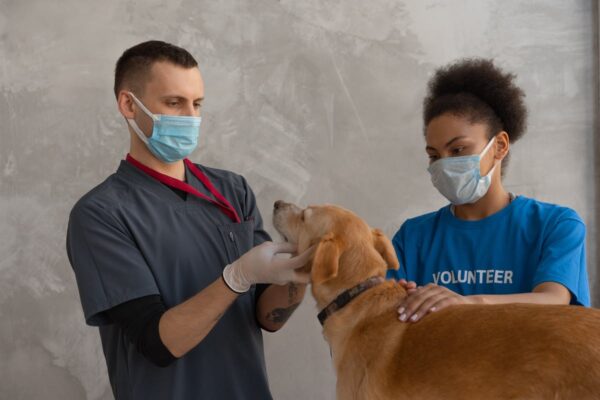
Your dog’s digestive system is designed to break down food, absorb nutrients, and eliminate waste. It sounds straightforward, but it is a complex process that depends on balance.
The stomach uses acids and enzymes to break food into smaller pieces. It is like a powerful blender that prepares food for deeper processing.
Once food leaves the stomach, it enters the intestines. This is where nutrients are absorbed into the bloodstream. If the intestines are inflamed or unhealthy, nutrient absorption drops. Even high quality food becomes less effective.
Inside the intestines lives the gut microbiome. This community of beneficial bacteria supports digestion, fights harmful microbes, and strengthens immunity. When good bacteria outnumber bad bacteria, dog gut health stays balanced.
Did you know that a large portion of your dog’s immune system lives in the gut? That means poor gut health can lead to frequent infections and slower recovery times.
If your dog gets sick often, the problem may not be outside. It could be inside.
A dog can eat premium food every day, but if their gut is unhealthy, nutrients pass through without being properly absorbed. The result? Low energy, weakness, and poor muscle tone.
It is like pouring water into a leaky bucket.
Here is something fascinating. The gut communicates with the brain. This connection influences mood and behavior. An imbalanced gut can contribute to anxiety, irritability, or hyperactivity.
Ever notice behavior changes along with digestive issues? That is not a coincidence.
The most obvious warning signs include diarrhea, constipation, bloating, gas, and vomiting. Occasional stomach upset happens, but frequent problems signal deeper issues with dog gut health.
Dry skin, itching, and excessive shedding may be linked to gut imbalance. When nutrients are not absorbed properly, the coat is often the first place it shows.
Lethargy, restlessness, or sudden mood shifts can be connected to the gut-brain axis. Your dog cannot tell you something feels off, but their behavior can.
Recurring ear infections or slow wound healing may point to weakened immunity caused by poor gut balance.
Low quality dog food filled with artificial additives can disrupt healthy bacteria. Over time, this weakens the digestive environment.
Switching foods too quickly can shock the system. Dogs need gradual transitions to maintain stable gut bacteria.
Antibiotics kill harmful bacteria, but they also wipe out beneficial ones. After a course of medication, the gut often needs rebuilding.
Moving homes, loud noises, or changes in routine can affect digestion. Stress impacts the gut more than most people realize.
Probiotics are live beneficial bacteria that support digestive balance. They help restore healthy flora after illness or medication.
Prebiotics feed good bacteria. Think of them as fertilizer for the gut garden. Without nourishment, beneficial bacteria cannot thrive.
Plain pumpkin, certain fibers, and specially formulated dog probiotic supplements can help maintain dog gut health naturally.
Real meat supports muscle repair and overall vitality. Look for clearly listed protein sources such as chicken, beef, or fish.
Fiber supports regular bowel movements and feeds healthy bacteria. Ingredients like sweet potatoes and pumpkin work well.
Some dog safe fermented options may provide natural probiotics. Always consult a veterinarian before introducing new foods.
Persistent diarrhea, blood in stool, severe lethargy, or unexplained weight loss require professional evaluation. Gut issues can sometimes signal allergies, infections, or chronic diseases.
Early action prevents bigger problems later.
Feed balanced meals. Avoid frequent diet switching. Introduce new foods gradually. Provide clean water daily. Schedule regular checkups. Consider probiotic support when needed.
Consistency is your best friend.
Small daily habits build strong foundations.
Dog gut health is not just about digestion. It affects immunity, energy, mood, skin condition, and overall quality of life. Think of the gut as the control center of your dog’s body. When it functions properly, everything else runs smoother.
Pay attention to subtle signs. Choose quality nutrition. Support beneficial bacteria. By caring for your dog’s gut today, you are investing in their long term happiness and vitality.
A balanced gut means a balanced dog.
You can start by feeding high quality food, adding fiber sources like pumpkin, and using vet approved probiotics.
Minor imbalances may improve within weeks. More serious issues can take several months depending on the cause.
Most dogs tolerate probiotics well, but it is best to consult a veterinarian before starting supplements.
Yes. Stress influences gut bacteria and may lead to diarrhea or appetite changes.
Frequent sudden diet changes and feeding low quality food are common mistakes that disrupt gut balance.