Menu
Download our Petland App today for information on your local Petland's Available Pets and Pet Supplies. All at the tips of your fingers!


Download our Petland App today for information on your local Petland's Available Pets and Pet Supplies. All at the tips of your fingers!
Please create a free account, or login by clicking here.
Petland Memphis, Tennessee
October 3, 2025
The Havanese dog breed is often described as a little bundle of joy wrapped in silky fur. Known for their affectionate personality and adaptable nature, Havanese dogs make excellent companions for families, singles, and seniors alike. Whether you’re considering bringing one home or already own this lovable pup, understanding Havanese care and training is key to raising a happy, well-adjusted dog.
The Havanese has roots tracing back to Cuba, where they were cherished by aristocrats in Havana. Their charming looks and delightful personalities quickly made them the national dog of Cuba. Over time, the breed gained popularity worldwide, especially in the U.S. and Europe, where they are adored as companion pets.
Havanese dogs are small yet sturdy.
Their expressive eyes and feathered tail give them a playful, elegant look.
If you want a cheerful, affectionate dog, the Havanese fits the bill.
Absolutely! The Havanese thrives in family environments.
They enjoy being part of the family and don’t like being left alone for long periods.
Their long, silky coat requires frequent brushing (at least 3–4 times a week) to avoid tangles and mats. Professional grooming every few months is recommended.
Havanese dogs don’t need intense exercise. A couple of short daily walks and some playtime indoors or in the yard keep them healthy and happy.
Nutrition plays a big role in Havanese care.
Havanese are generally healthy but prone to certain conditions:
Lifespan: 14–16 years with proper care. Regular vet check-ups ensure they stay healthy.
Many owners opt for a “puppy cut” to make coat maintenance easier.
Training is essential to keep their clever minds engaged.
Socialization for a Confident Havanese
Socialization is one of the most important steps in raising a happy and well-balanced Havanese. These little dogs are naturally affectionate and curious, but without proper exposure, they may develop anxiety or timid behaviors. By introducing your Havanese puppy to a variety of people, pets, sights, and sounds early on, you’ll set the foundation for a confident and adaptable adult dog.
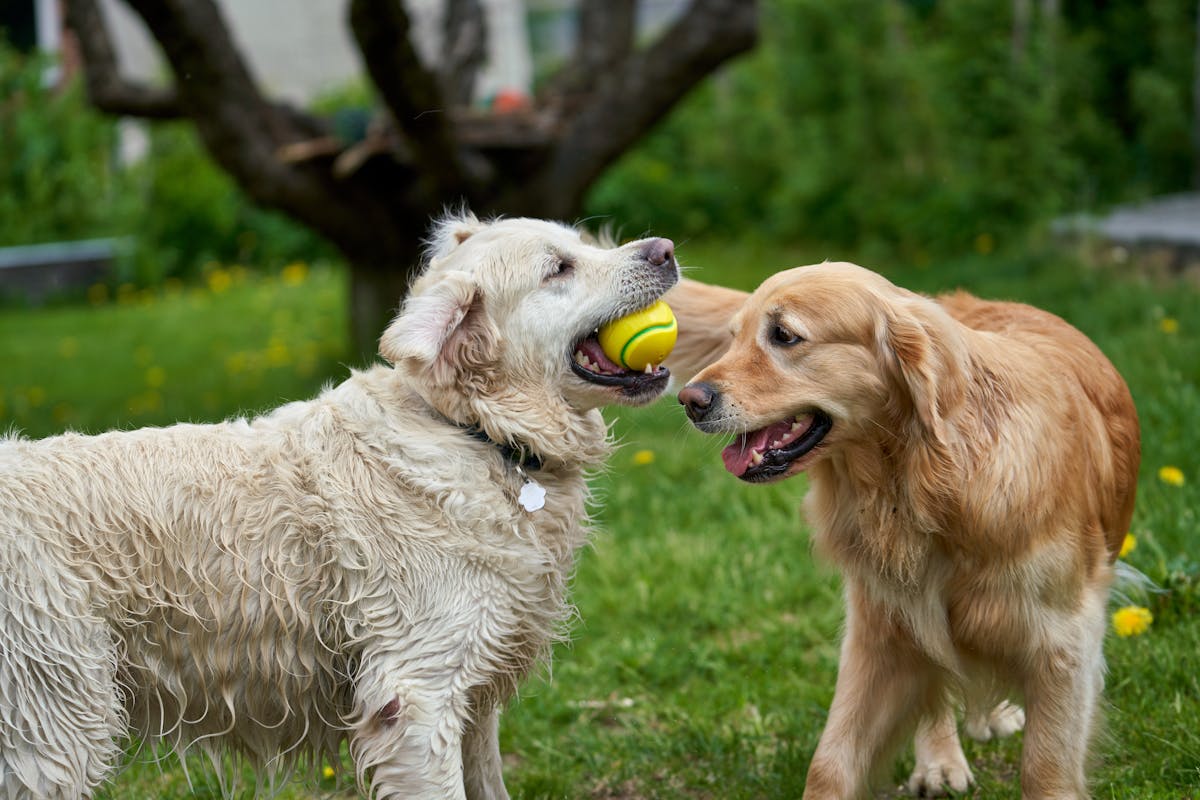
Start by arranging playdates with friendly dogs of different sizes and breeds. This helps your Havanese learn how to interact politely and reduces the risk of fear or aggression later. Take your pup to different environments, such as parks, pet-friendly cafés, or even busy streets, so they become comfortable with new situations.
Housebreaking requires patience.
Consistency is key.
While not overly energetic, Havanese dogs do enjoy daily activity.
Havanese adapt well to apartment living as long as they get daily exercise. They also travel well, making them excellent companions for adventures. Just be mindful of their need for companionship — long hours alone can cause stress.
Pros:
Cons:
The Havanese dog breed is a delightful companion, perfect for families, singles, and seniors alike. With their affectionate temperament, adaptability, and playful charm, they bring endless joy to their households. By focusing on proper Havanese care and training, you’ll ensure your furry friend thrives for years to come.
1. Are Havanese hypoallergenic?
Yes, their silky coat produces less dander, making them a great choice for allergy sufferers.
2. How often should I groom my Havanese?
Brush at least 3–4 times a week and bathe every 2–3 weeks.
3. Do Havanese bark a lot?
They may bark to alert you, but with training, excessive barking can be managed.
4. What’s the average lifespan of a Havanese?
Most Havanese live between 14–16 years.
5. Is the Havanese easy to train?
Yes, they’re intelligent and eager to please, though a bit stubborn at times. Positive reinforcement works best.