Menu
Download our Petland App today for information on your local Petland's Available Pets and Pet Supplies. All at the tips of your fingers!


Download our Petland App today for information on your local Petland's Available Pets and Pet Supplies. All at the tips of your fingers!
Please create a free account, or login by clicking here.
Petland Memphis, Tennessee
May 11, 2026
Dogs are loyal, loving, and incredibly forgiving creatures, but that doesn’t mean they enjoy everything humans do. Many owners unintentionally create stress for their pets simply because they interpret dog behavior through a human lens. The truth is, dogs experience the world through smell, instinct, and body language—not logic or words like we do. That’s why understanding things dogs hate is so important for building trust and improving behavior.
When you start noticing what makes your dog uncomfortable, you begin to see a clearer picture of their emotional world. Dogs don’t complain verbally, but they communicate constantly through posture, facial expressions, and actions. Ignoring these signs can lead to anxiety, behavioral issues, or even aggression. Let’s break down the most common mistakes dog owners make every day without realizing the impact.
One of the biggest surprises for dog owners is learning that many dogs actually dislike hugs. While humans use hugs as a sign of love, dogs often interpret them as restraint. Being wrapped up removes their ability to move freely, which can trigger stress or anxiety.
Instead of comfort, a tight hug can feel like being trapped in a situation they cannot escape. You may notice subtle signals like turning their head away, licking lips, or stiffening their body. These are signs your dog is uncomfortable.
Research from behavior experts shows that dogs prefer side contact, gentle petting, or calm presence over restrictive affection. So next time you want to show love, think more like a dog—not a human.
Dogs are extremely sensitive to tone, not just words. A loud or angry voice can feel threatening, even if the intention is discipline. Many owners believe yelling corrects behavior, but it often creates fear instead of understanding.
A scared dog may either shut down emotionally or become more reactive over time. Studies in dog behavior show that positive reinforcement is far more effective than punishment-based communication.
Think of it like this: if someone shouted instructions at you in a language you didn’t fully understand, you’d feel confused and stressed. Dogs experience something very similar when yelled at.
Dogs are creatures of habit. They rely heavily on predictable schedules for feeding, walking, and rest. When routines constantly change, it creates uncertainty.
Without structure, dogs may become anxious or develop unwanted behaviors like chewing or excessive barking. Routine gives them a sense of safety because they know what comes next in their day.
Even simple consistency—like feeding at the same time or regular walks—can dramatically improve your dog’s emotional stability.
To humans, walks are exercise. To dogs, walks are information highways. Sniffing is how they “read the world,” similar to how we browse social media.
When owners rush their dogs and stop them from sniffing, it removes mental stimulation. This can lead to frustration and boredom, two major triggers for behavioral issues.
Allowing sniff time doesn’t slow progress—it actually improves mental health. A walk becomes more fulfilling when your dog is allowed to explore smells freely.
Sleep is essential for dogs, often more than people realize. Interrupting their rest abruptly can cause confusion or stress. Dogs go through deep sleep cycles, and waking them suddenly can disorient them.
A startled dog may react defensively simply because they didn’t understand what happened. Experts suggest letting sleeping dogs rest unless necessary.
Respecting sleep is a simple but powerful way to improve your dog’s emotional well-being.
Dogs have an incredibly powerful sense of smell—far stronger than humans. Strong perfumes, cleaning sprays, or scented candles can overwhelm their senses.
What smells pleasant to us may feel irritating or even painful to them. This is one of the most overlooked things dogs hate, especially in modern homes filled with artificial scents.
Choosing mild or pet-safe products helps create a more comfortable environment for your dog.
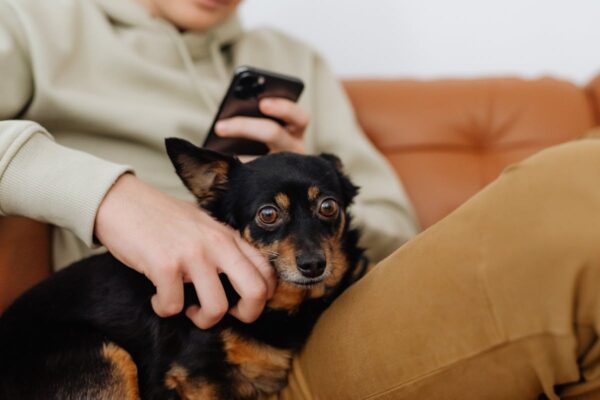
Not every dog enjoys being touched all the time. Some prefer space, especially from strangers or during rest. Forcing interaction can make them feel cornered.
Respecting boundaries is essential. Dogs that feel safe are more likely to trust and bond naturally. Let them initiate contact instead of forcing affection.
This builds confidence and reduces defensive behavior in the long run.
Dogs are naturally social animals that evolved to live in groups, not in isolation. In the wild, their ancestors depended on a pack for safety, hunting, and emotional stability. That instinct still exists in modern dogs, even if they live in comfortable homes today.
When a dog is left alone for long hours regularly, it can trigger emotional stress because, in their mind, separation from their “pack” doesn’t feel normal. Over time, this emotional gap can turn into separation anxiety, one of the most common behavioral issues seen in pet dogs. What many owners don’t realize is that dogs don’t measure time the way humans do.
Even a few hours of solitude can feel much longer to them, especially if they are highly attached to their owner. This is why you may notice your dog becoming overly excited, clingy, or restless when you return home. In more severe cases, the stress can show up in destructive habits such as chewing furniture, scratching doors, or barking excessively. These are not acts of “bad behavior,” but rather signs of emotional discomfort and an attempt to cope with loneliness.
Understanding things dogs hate isn’t about overthinking every action—it’s about becoming more aware of how your dog perceives the world. Small changes in behavior, like respecting space or allowing sniff time, can significantly improve your relationship. Dogs don’t expect perfection; they simply respond to consistency, kindness, and understanding.
When you start seeing life from your dog’s perspective, communication becomes easier, and trust grows naturally. A happier dog often comes from a more mindful owner.
Dogs commonly dislike hugging, yelling, sudden waking, and strong smells.
Not all, but many find them uncomfortable or restrictive depending on personality.
Because dogs are sensitive to tone and interpret yelling as a threat.
Yes, lack of routine often increases stress and behavioral problems.
Provide consistency, exercise, mental stimulation, and respectful interaction.