Menu
Download our Petland App today for information on your local Petland's Available Pets and Pet Supplies. All at the tips of your fingers!


Download our Petland App today for information on your local Petland's Available Pets and Pet Supplies. All at the tips of your fingers!
Please create a free account, or login by clicking here.
Petland Memphis, Tennessee
December 31, 2025
Living in an apartment can make owning a puppy a bit challenging, but it’s definitely not impossible. The right breed can make all the difference. Some puppies are more adaptable, calmer, and easier to train in smaller spaces, while others may struggle without a backyard to roam. Choosing the right breed ensures your puppy is happy, healthy, and well-adjusted, while keeping your neighbors and yourself stress-free.
This guide will walk you through the best apartment-friendly breeds, what to consider when picking a puppy, and how to ensure your furry friend thrives in a smaller living space.
Not every puppy thrives in an apartment. Puppies with high energy levels or strong guarding instincts may feel frustrated in a small space. Selecting a breed with a calm temperament, moderate energy, and adaptability ensures both you and your puppy enjoy apartment life. Choosing wisely can prevent behavioral issues, excessive barking, and stress for both of you.
Before choosing a breed, consider your lifestyle. How often are you home? Can you commit to daily walks? How much space do you have for play and rest? Also consider your neighbors. A breed that barks excessively may not be suitable for close living situations. Think about energy levels, grooming needs, and overall maintenance.
Small breeds are typically easier to manage in apartments, requiring less space and often less exercise. Medium breeds can adapt if given sufficient activity and mental stimulation. Large breeds can live comfortably in apartments if they are calm, low-energy, and receive adequate walks. Your choice should balance size with temperament and your available time for exercise.
French Bulldogs are calm, affectionate, and require minimal exercise. They love companionship and adapt well to smaller spaces. They are quiet dogs, making them excellent apartment companions.
These gentle dogs thrive in close quarters. They are sociable, friendly with other pets, and adapt well to different living situations. Minimal grooming and moderate exercise make them apartment-friendly.
Pugs are playful, low-maintenance, and enjoy spending time indoors. Their small size and calm demeanor make them ideal for apartment life, though they need regular walks to maintain a healthy weight.
Boston Terriers are intelligent, adaptable, and affectionate. They require moderate exercise and are easy to train, making them a popular choice for city living.
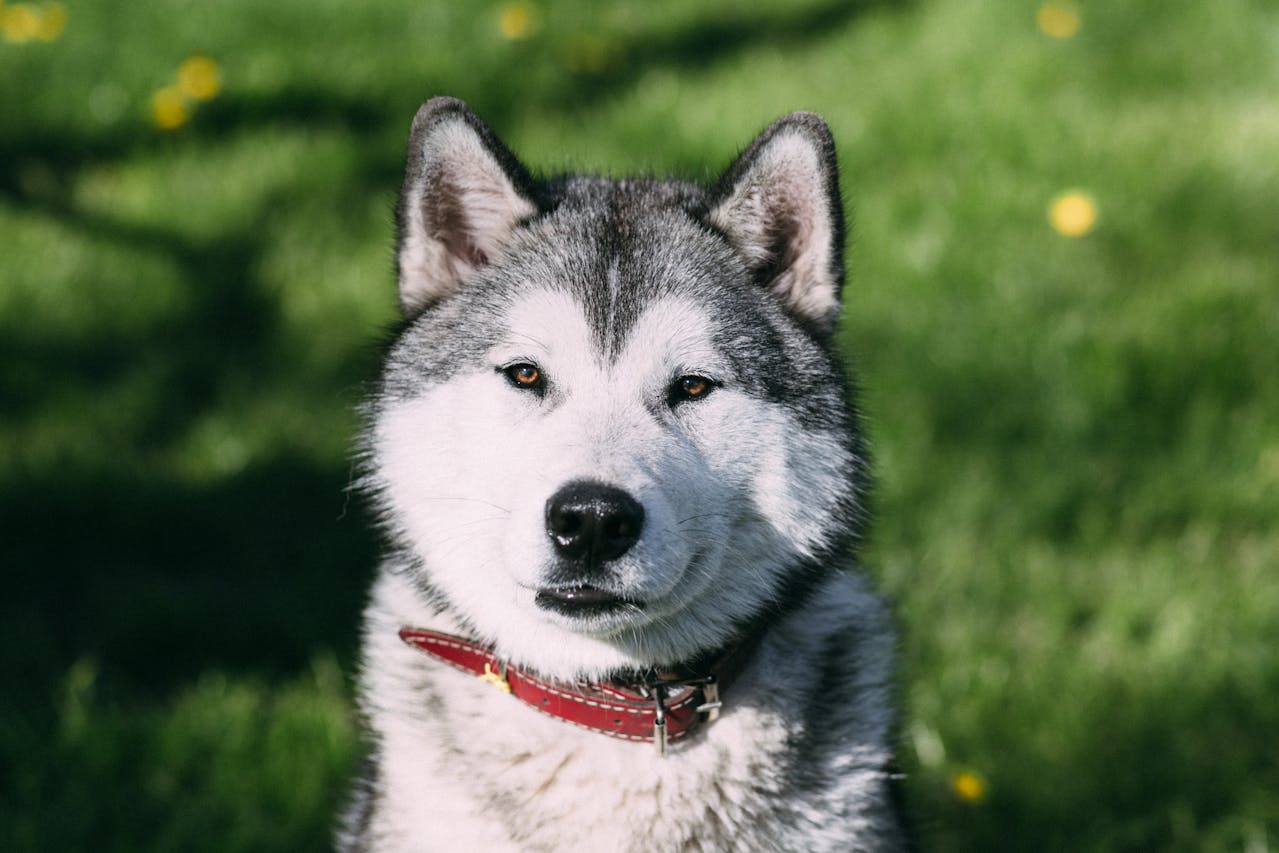
Shibas are independent, quiet, and low-maintenance. They need moderate exercise but adjust well to smaller living spaces. Training early helps manage their independent streak.
Havanese are cheerful, sociable, and low-energy. They thrive in apartments due to their size and adaptable nature. Regular mental stimulation keeps them happy and engaged.
Miniature Schnauzers are intelligent, friendly, and moderately active. They require regular walks but are easy to train and manage in apartments.
Cocker Spaniels are affectionate and gentle. Their medium size and moderate exercise requirements make them suitable for apartment life with sufficient daily walks.
Despite their size, Greyhounds are surprisingly calm indoors. They are couch potatoes at home and require only short bursts of exercise, making them ideal for apartment dwellers.
Poodles are intelligent and easily trained. Standard Poodles need exercise but adapt well to indoor living if stimulated mentally and physically.
Bullmastiffs are calm, gentle giants. They require space to stretch but are generally low-energy and quiet, making them suitable for apartments for experienced dog owners.
Even apartment-friendly breeds need daily activity. Short walks, play sessions, and mental exercises keep puppies healthy and prevent destructive behaviors. Matching a breed’s energy level with your availability is critical for a harmonious living situation.
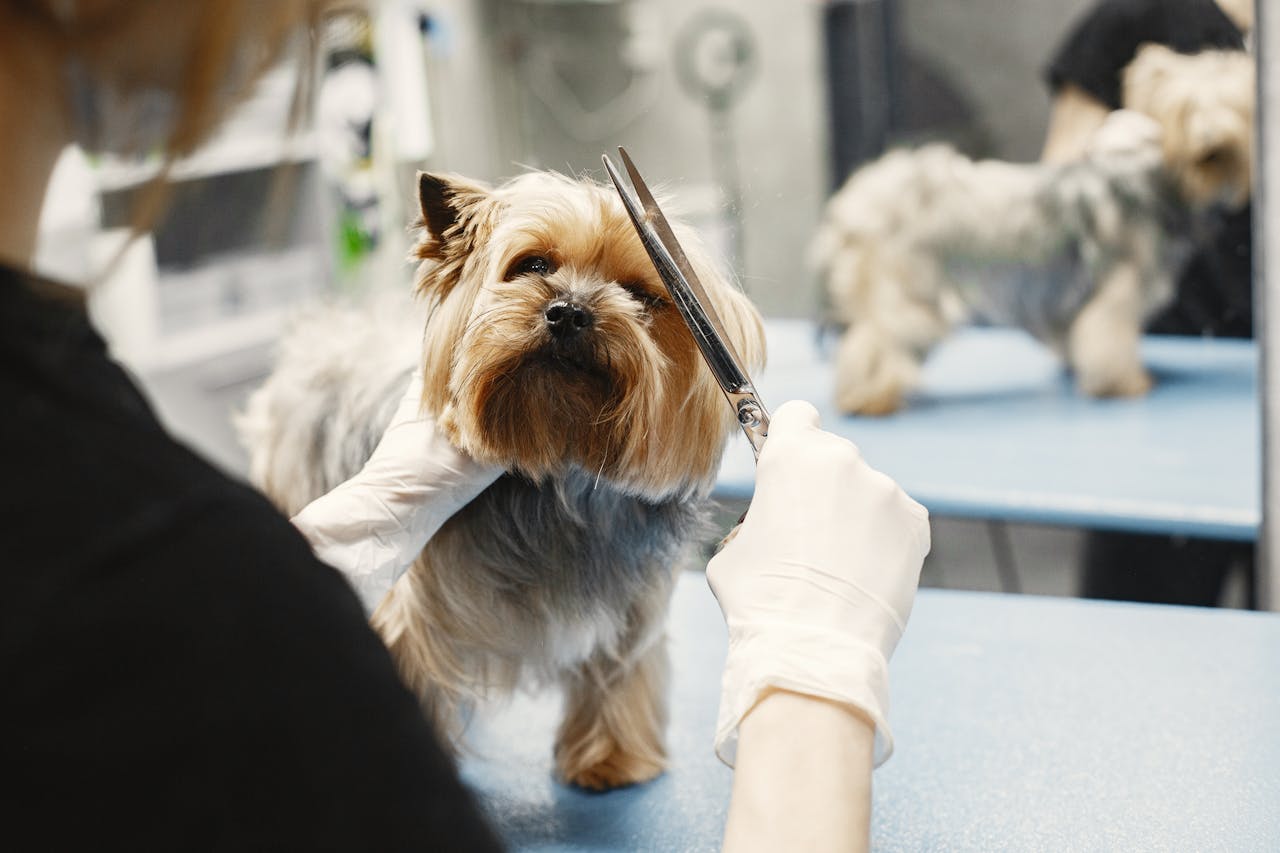
Apartment living requires managing shedding and hygiene. Breeds with minimal shedding are easier to maintain indoors. Regular brushing, bathing, and nail trimming are essential for a clean and comfortable apartment environment.
Consistency is key. Crate training, scheduled potty breaks, and positive reinforcement prevent accidents and behavioral issues. Teach your puppy commands, boundaries, and appropriate indoor behaviors from day one.
Exposing your puppy to neighbors, other pets, and everyday sounds ensures a well-adjusted companion. Controlled socialization prevents fearfulness and aggression in crowded or noisy apartment environments.
Noise can be a major challenge in apartments. Choose breeds with lower barking tendencies, train quiet commands, and provide toys or chews to prevent boredom-induced noise.
Indoor activities like puzzle toys, interactive games, and short training sessions keep puppies engaged. Mental stimulation is as important as physical exercise, especially in limited spaces.
Balanced nutrition supports healthy growth, energy levels, and weight management. Regular vet check-ups, vaccinations, and preventive care ensure your apartment puppy stays happy and healthy.
A happy apartment puppy exhibits relaxed behavior, regular eating, playful interaction, and sleeps comfortably indoors. Monitoring mood, appetite, and activity levels helps you identify any health or behavioral concerns early.
Choosing the right puppy breed for apartment living can transform your experience from stressful to joyful. Small, medium, and even certain large breeds can thrive in apartments if their exercise, mental stimulation, and social needs are met. Consider your lifestyle, space, and availability before selecting a breed. With proper training, care, and attention, apartment life and puppy companionship can be a perfect match.
1. Can large breeds really live in apartments?
Yes, certain large breeds like Greyhounds and Bullmastiffs are calm indoors and adapt well to apartment living.
2. Which small breeds are the easiest to train for apartments?
French Bulldogs, Boston Terriers, and Cavalier King Charles Spaniels are intelligent and adaptable, making training easier.
3. How much exercise does an apartment puppy need?
Exercise depends on the breed, but most need 20 to 60 minutes of physical activity daily, combined with mental stimulation.
4. Are hypoallergenic breeds better for apartment living?
Yes, breeds like Poodles or Havanese shed less and are easier to maintain in indoor environments.
5. How do I prevent barking problems in apartments?
Choose calm breeds, provide mental stimulation, train quiet commands, and address boredom early.