Menu
Download our Petland App today for information on your local Petland's Available Pets and Pet Supplies. All at the tips of your fingers!


Download our Petland App today for information on your local Petland's Available Pets and Pet Supplies. All at the tips of your fingers!
Please create a free account, or login by clicking here.
Petland Memphis, Tennessee
April 8, 2026
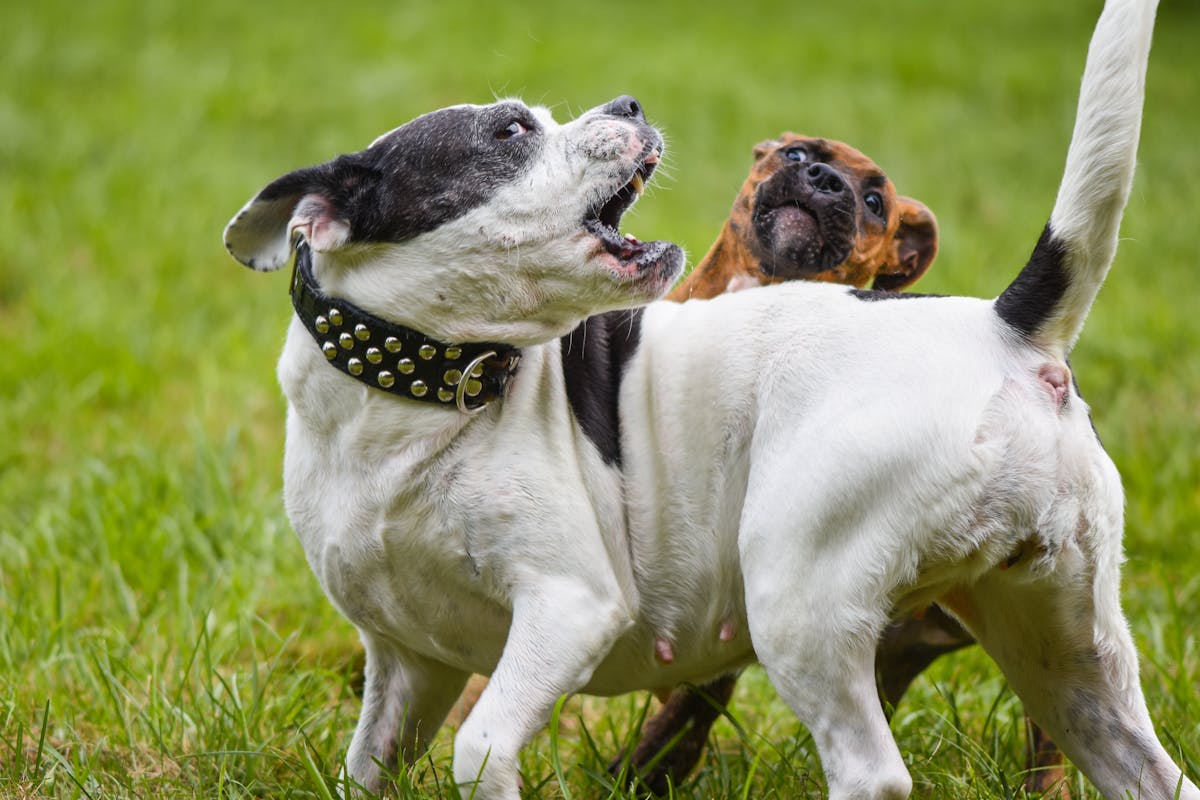
Dog aggression is not just about biting or attacking. It is a spectrum of behaviors that includes growling, snapping, barking, and even subtle signs like stiff posture or intense staring. Many dog owners misunderstand aggression because they only focus on the extreme reactions. In reality, aggression usually builds up gradually, starting with mild warning signals that often go unnoticed.
If you try to fix aggression without understanding the cause, you are basically treating symptoms instead of solving the real problem. It is like taking painkillers for a broken bone without fixing the fracture. The pain might go away temporarily, but the issue is still there underneath.
Understanding dog aggression causes helps you create a targeted solution. For example, a dog that is aggressive due to fear needs reassurance and gradual exposure, while a dog that guards food needs training focused on trust and sharing. Using the wrong approach can make the situation worse instead of better.
There is also a safety factor involved. Aggression can escalate quickly if ignored. What starts as a growl can turn into a bite if the dog feels continuously threatened or misunderstood. By identifying the root cause early, you reduce the risk of injury and create a safer environment for everyone, including your dog.
Fear is one of the most common triggers of aggression in dogs. When a dog feels scared and trapped, it may choose to fight instead of flee. This type of aggression often appears suddenly, especially in unfamiliar situations like meeting strangers or hearing loud noises.
Fear-based aggression is not about dominance or control. It is about survival. The dog is reacting to what it perceives as a threat. Even if the situation seems harmless to you, your dog may interpret it differently based on past experiences or lack of exposure.
The solution here is not force. You cannot scare fear out of a dog. Instead, you need to build confidence slowly through positive experiences. Gradual exposure to triggers, combined with rewards, helps the dog learn that the situation is safe.
Pain can completely change a dog’s behavior. A normally friendly dog may become aggressive if it is injured or uncomfortable. This is especially common in older dogs or those with hidden health problems.
When a dog is in pain, it becomes more sensitive to touch and movement. Even a gentle pat can feel like a threat. This is why dogs in pain may snap or growl unexpectedly. It is not personal—it is protective.
If you notice sudden aggression, always consider a medical cause first. A visit to the vet can rule out underlying issues and ensure your dog is not suffering silently.
Dogs that are not exposed to different people, animals, and environments early in life often struggle with confidence. Everything feels new and potentially dangerous to them. This uncertainty can quickly turn into defensive aggression.
Socialization teaches dogs what is normal. Without it, even simple situations like a visitor entering the house can feel overwhelming. The dog reacts aggressively because it does not know how else to respond.
Improving socialization takes time. You cannot rush it. Start with controlled environments and gradually introduce new experiences in a positive way.
Territorial aggression happens when a dog feels the need to protect its space. This could be your home, yard, or even your car. While some level of guarding is natural, it can become excessive if not managed properly.
Dogs with strong territorial instincts may bark aggressively at strangers or attempt to block entry. From their perspective, they are doing their job. The challenge is teaching them that not every visitor is a threat.
Training and exposure are key. Allow your dog to meet guests in a controlled and calm manner so it learns to differentiate between normal and threatening situations.
Resource guarding occurs when a dog becomes possessive over food, toys, or other valuable items. This behavior is rooted in survival instincts. In the wild, protecting resources is essential for survival.
At home, this instinct can lead to growling or snapping when someone approaches the dog’s belongings. The dog is not being stubborn—it is trying to protect what it values.
The best approach is to build trust. Teach your dog that giving up a resource leads to something better, like a treat or praise. This changes the dog’s mindset from fear of loss to expectation of reward.
A dog with too much pent-up energy can become frustrated and reactive. Lack of physical and mental stimulation often leads to behavioral problems, including aggression.
Imagine being stuck indoors all day with nothing to do. You would feel restless and irritated. Dogs experience the same thing. Without proper outlets for their energy, they may channel it into negative behaviors.
Regular exercise, playtime, and mental challenges can significantly reduce frustration-based aggression. A tired dog is usually a calm and happy dog.
This is the most common type and is driven by anxiety. The dog reacts aggressively to protect itself from perceived threats.
Dogs may become aggressive when they feel the need to protect their owners or family members. This is often triggered by unfamiliar people or situations.
This type is linked to resource guarding. The dog becomes defensive over items it values.
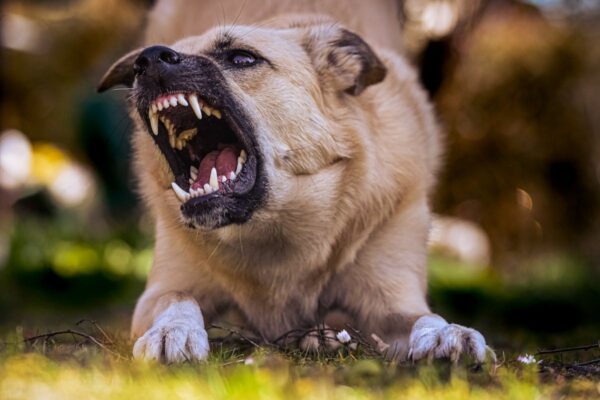
Dogs communicate through body language long before they act aggressively. Signs like stiff posture, raised fur, pinned ears, and intense staring are early warnings. Ignoring these signals can lead to escalation.
Pay attention to these cues. They are your dog’s way of saying, “I am uncomfortable.” Responding early can prevent serious incidents.
You cannot fix what you do not understand. Observe your dog carefully and identify triggers. Is it fear, pain, or something else? Once you know the cause, you can choose the right solution.
Reward good behavior instead of punishing bad behavior. Positive reinforcement builds trust and encourages your dog to repeat desirable actions.
Introduce your dog to new experiences gradually. Keep interactions calm and positive to build confidence over time.
If aggression is severe, consult a professional trainer or behaviorist. They can provide personalized guidance and ensure safety.
Punishment may stop behavior temporarily, but it often increases fear and aggression in the long run. It damages trust and can make the problem worse.
Consistency is key when it comes to preventing aggression. Regular training, proper socialization, and meeting your dog’s physical and emotional needs go a long way. Build a strong bond with your dog so it feels secure and understood.
Dog aggression is not a personality flaw—it is a response to underlying issues. When you understand the dog aggression causes, you gain the power to fix the problem safely and effectively. Patience, consistency, and positive training methods are your best tools. Every dog can improve with the right approach and care.
1. What is the main cause of dog aggression?
Fear and anxiety are the most common causes, but factors like pain and lack of socialization also play a role.
2. Can aggressive dogs be trained?
Yes, with proper training and understanding of the root cause, most dogs can improve significantly.
3. Should I punish my dog for aggression?
No, punishment can worsen aggression. Positive reinforcement is more effective.
4. How long does it take to fix aggression?
It depends on the cause and severity. Some dogs improve in weeks, while others may take months.
5. When should I seek professional help?
If your dog shows severe aggression or poses a safety risk, consult a professional immediately.