Menu
Download our Petland App today for information on your local Petland's Available Pets and Pet Supplies. All at the tips of your fingers!


Download our Petland App today for information on your local Petland's Available Pets and Pet Supplies. All at the tips of your fingers!
Please create a free account, or login by clicking here.
Petland Memphis, Tennessee
November 3, 2025
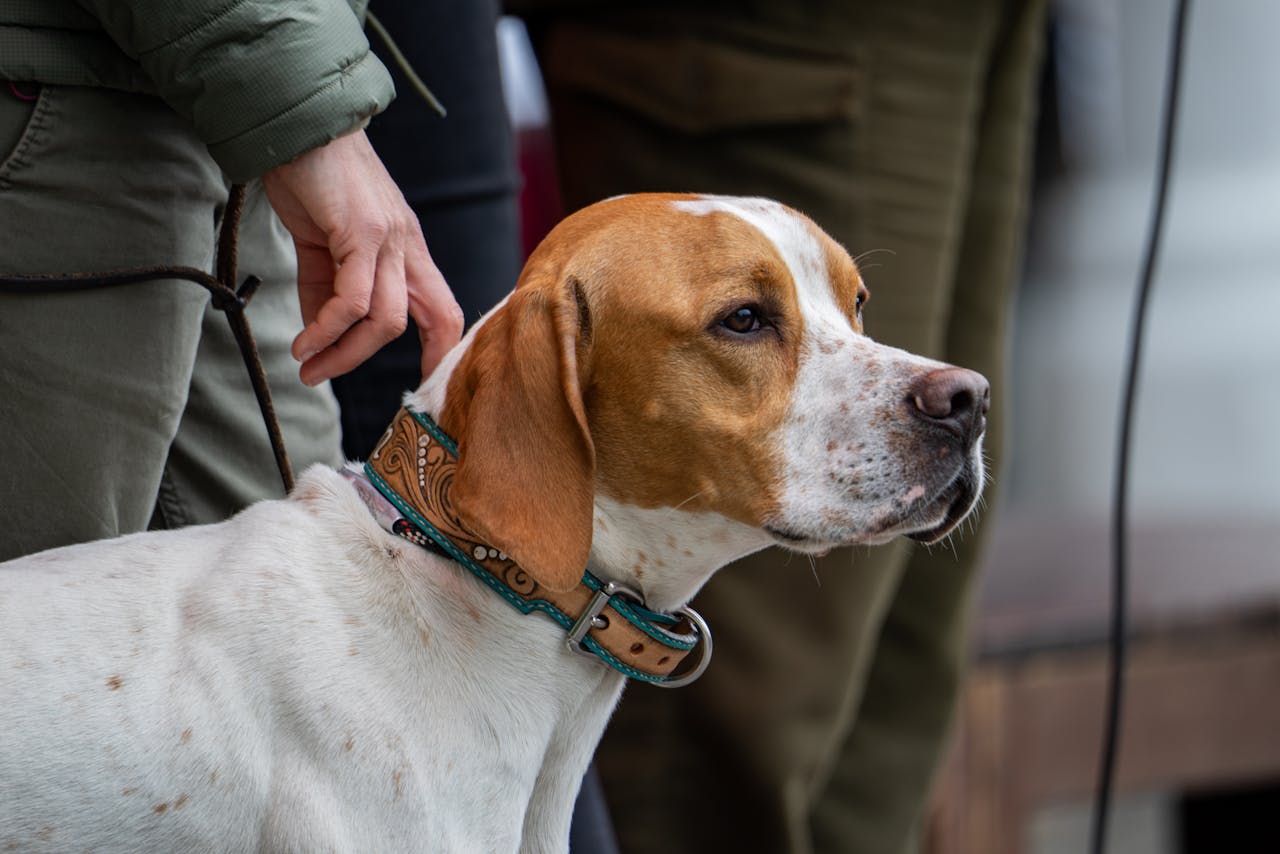
If you’re looking for a loyal, intelligent, and energetic dog, the Pointer dog breed might just be your perfect match. Known for their elegant stance and incredible hunting instincts, Pointers are both affectionate companions and skilled athletes. Whether you’re an active owner or someone looking for a friendly family pet, this breed has a lot to offer.
The Pointer’s roots trace back to 17th-century England, where they were bred to “point” game birds for hunters. The breed’s name comes from their signature stance—when they detect prey, they freeze and point their muzzle toward it. Over time, Pointers became known not just for their field performance but also for their grace, loyalty, and intelligence, earning them a place in many homes worldwide.
Pointers are medium-to-large dogs with a muscular yet elegant build. Males typically weigh between 55–75 pounds, while females range from 45–65 pounds. Their sleek, short coat comes in various colors, including:
Their expressive eyes, long neck, and strong legs give them a distinctly athletic appearance.
Pointers are gentle, friendly, and highly sociable. They love being part of family activities and are known for their affectionate nature. However, their hunting background means they have a strong prey drive, so early training and socialization are important.
Pointers thrive on attention and interaction. They are loyal to their families and usually get along well with children and other dogs if introduced properly.
This breed is bursting with energy! A Pointer needs at least 1–2 hours of daily exercise to stay happy and healthy. Activities like:
Training a Pointer can be rewarding if done with patience and consistency. They are intelligent and eager to please, but their independent streak can make them easily distracted.
Start with basic obedience commands like “sit,” “stay,” and “come.” Positive reinforcement—praise and treats—works wonders. As natural hunters, they also excel in field trials and tracking games, which help channel their instincts productively.
Socialization from an early age ensures your Pointer grows up confident and well-behaved.
Expose them to:
Frequent positive experiences help prevent shyness or aggression later in life.
Pointers are active dogs that require a balanced, high-protein diet. Opt for quality dry kibble or homemade meals that include lean meats, healthy fats, and vegetables.
Feeding Tips:
Proper nutrition supports their muscle development and energy levels.
Pointers are low-maintenance when it comes to grooming. Their short coat requires brushing once or twice a week to remove loose hair and maintain shine.
Essential grooming tasks include:
During shedding seasons, increase brushing frequency to reduce loose hair around your home.
Like all breeds, Pointers can be prone to certain health concerns, such as:
Routine vet checkups and a balanced lifestyle help minimize these risks and ensure a long, healthy life.
Pointers thrive in spacious environments where they can run freely. While they can adapt to apartment living, they need daily outdoor exercise to stay content. They prefer being around their family, so leaving them alone for long periods can lead to restlessness or destructive behavior.
Pointers make excellent travel companions if properly trained. Ensure they’re secure in a travel crate or seat harness, bring along water, and make frequent stops for breaks.
Because of their energy, short walks during stops are essential to keep them calm and comfortable.
Pointer puppies are bundles of energy! Early training and structure are crucial. They respond best to consistency, kindness, and play-based learning.
During their first year, focus on:
Socialize them with new people and pets early to build confidence and adaptability.
If you’re considering getting a Pointer, check local rescues and breed-specific adoption centers first. If you buy from a breeder, ensure they follow ethical breeding practices and provide health clearances for both parents.
The Pointer dog breed is a beautiful blend of intelligence, athleticism, and affection. Whether as a hunting partner or a loyal family pet, Pointers bring energy and joy to every home they join. With proper care, training, and love, this breed can be your best friend for years to come.
1. Are Pointers good with kids?
Yes! They’re affectionate and playful, making them excellent companions for families with children.
2. How much exercise does a Pointer need daily?
At least 1–2 hours of physical activity to stay fit and prevent boredom.
3. Are Pointers easy to train?
They’re intelligent but can be independent—use patience and positive reinforcement.
4. Do Pointers shed a lot?
They have a short coat that sheds moderately, especially during seasonal changes.
5. How long do Pointers live?
With proper care, the average lifespan is 12–15 years.