Menu
Download our Petland App today for information on your local Petland's Available Pets and Pet Supplies. All at the tips of your fingers!


Download our Petland App today for information on your local Petland's Available Pets and Pet Supplies. All at the tips of your fingers!
Please create a free account, or login by clicking here.
Petland Memphis, Tennessee
March 10, 2026
Bringing a puppy home is an exciting experience. Their playful energy, curious nature, and endless affection quickly make them a cherished part of the family. However, caring for a young dog also comes with responsibility, especially when it comes to their health. One health concern that many new dog owners overlook is dehydration. Puppies are much more vulnerable to dehydration than adult dogs because their bodies are still developing and they can lose fluids quickly.
Understanding puppy dehydration signs and the causes behind them can help pet owners react quickly and protect their puppy’s well-being. Even mild dehydration can make a puppy feel weak and uncomfortable, while severe dehydration can become a medical emergency. The good news is that dehydration is often preventable once you know what to watch for.
Dehydration occurs when a puppy loses more fluids than it takes in. Water plays a crucial role in nearly every bodily function, including digestion, temperature regulation, circulation, and joint lubrication. When a puppy’s body does not have enough water, these processes begin to slow down and the puppy’s overall health can decline.
Puppies are especially prone to dehydration because they have smaller bodies and faster metabolisms compared to adult dogs. This means they require frequent hydration throughout the day. Activities like playing, running, or spending time outdoors can cause them to lose fluids quickly, particularly in warm weather.
Another factor that increases the risk is a puppy’s curiosity. Young dogs often get distracted during play and may forget to drink water. They also rely heavily on their owners to provide fresh water and monitor their daily habits. When dehydration begins, the puppy’s body sends warning signals that attentive owners can notice.
Learning about puppy dehydration signs is the first step in recognizing a problem early. The sooner dehydration is addressed, the easier it is to restore proper hydration and prevent complications.
Recognizing dehydration early can make a significant difference in a puppy’s recovery. Some symptoms are subtle at first, but they become more noticeable as the condition progresses.
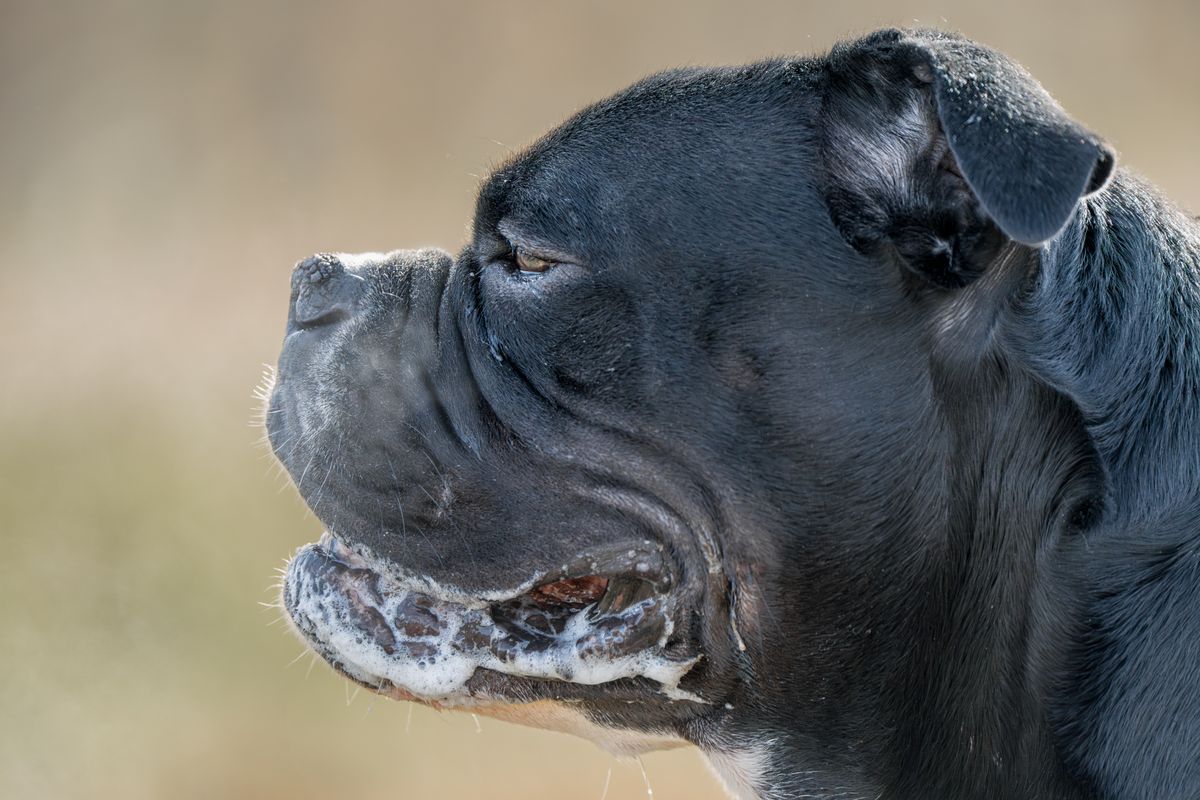
One of the most common signs is dry or sticky gums. Healthy puppy gums should feel moist and smooth. If they feel dry or tacky, it may indicate the puppy needs more fluids. Owners can gently check the gums by lifting the puppy’s lip and observing the texture.
Another noticeable sign is lethargy or low energy. Puppies are naturally energetic and playful. When dehydration occurs, they may appear unusually tired, uninterested in games, or reluctant to move around. This sudden drop in energy often signals that the body is struggling to maintain normal functions.
Loss of appetite can also occur. A dehydrated puppy may refuse food or treats, which can further reduce energy levels. Additionally, sunken eyes or excessive panting may appear in more advanced cases.
Paying attention to these puppy dehydration signs allows owners to take action before the situation worsens.
Some dehydration symptoms are more serious and require immediate attention. These signs indicate that the puppy’s body is already experiencing significant fluid loss.
One important symptom is loss of skin elasticity. Pet owners can test this by gently lifting the skin on the back of the puppy’s neck and releasing it. In a well-hydrated puppy, the skin quickly returns to its normal position. If it takes longer to fall back into place, dehydration may be present.
Another concerning symptom is excessive panting or rapid breathing. Puppies often pant after exercise, but constant panting even while resting could signal overheating and fluid loss.
Additionally, reduced urination or dark yellow urine may indicate dehydration. A healthy puppy typically urinates several times a day. When hydration levels drop, the body conserves water, which results in less frequent urination.
These physical signs should never be ignored. Acting quickly can prevent the condition from becoming severe.

Understanding the causes of dehydration can help pet owners prevent it from happening in the first place. One of the most common reasons is simply not drinking enough water. Puppies may become so focused on play or exploration that they forget to hydrate.
Hot weather is another major factor. High temperatures cause puppies to lose fluids through panting and sweating through their paw pads. Without frequent water breaks, dehydration can occur quickly.
Illness can also play a role. Conditions that cause vomiting or diarrhea can lead to rapid fluid loss. Puppies experiencing digestive problems may become dehydrated within a short period of time if fluids are not replaced.
Stress and environmental changes may also reduce a puppy’s interest in drinking water. Moving to a new home, traveling, or adjusting to a new routine can temporarily disrupt normal habits.
Identifying these causes helps owners create a safe and healthy environment for their pets.
Checking your puppy’s hydration level at home can be simple. While a veterinarian should always evaluate serious symptoms, basic checks can help owners identify early warning signs.
One commonly used method is the skin elasticity test mentioned earlier. Another easy check involves examining the puppy’s gums. Healthy gums should be moist and pink. Pale or dry gums may signal dehydration.
Owners can also observe their puppy’s behavior. Reduced activity, unusual tiredness, or reluctance to drink water may suggest something is wrong. Monitoring the puppy’s water bowl throughout the day can provide clues about whether the puppy is drinking enough.
If several puppy dehydration signs appear together, it is important to encourage the puppy to drink and monitor their condition closely. When symptoms persist or worsen, veterinary care should be sought immediately.
Prevention is always easier than treatment. Fortunately, there are many simple ways to keep a puppy well hydrated.
Providing fresh and clean water at all times is essential. Water bowls should be checked regularly and refilled throughout the day. Some puppies prefer running water, so pet fountains can sometimes encourage more frequent drinking.
Owners should also ensure that puppies take regular breaks during playtime. Intense activity without hydration can quickly lead to fluid loss. During hot weather, outdoor time should be limited to cooler parts of the day.
Feeding puppies high-quality food can also help maintain proper hydration levels. Some foods contain higher moisture content, which contributes to overall fluid intake.
By maintaining good habits and observing daily routines, pet owners can significantly reduce the risk of dehydration.
Caring for a puppy involves more than providing food and affection. Monitoring their health and hydration is equally important. Puppy dehydration signs such as dry gums, low energy, reduced urination, and loss of skin elasticity should never be ignored. These warning signals allow owners to identify problems early and respond quickly.
Dehydration can occur for many reasons, including hot weather, illness, or simply forgetting to drink water during play. Fortunately, most cases can be prevented by ensuring constant access to fresh water, monitoring activity levels, and watching for unusual symptoms.
A healthy puppy is full of energy, curiosity, and excitement. By staying attentive to hydration and recognizing the signs of dehydration, you can help your puppy grow into a happy and thriving companion.
Puppies generally need about half to one ounce of water per pound of body weight each day. Active puppies or those in warm environments may require even more.
Providing fresh water and encouraging small, frequent drinks is the safest first step. In more serious cases, a veterinarian may provide electrolyte solutions or fluids.
Yes. Severe dehydration can affect organs and lead to serious health complications if not treated quickly.
Puppies have smaller bodies and faster metabolisms, which means they lose fluids more rapidly than adult dogs.
If your puppy shows severe symptoms such as extreme lethargy, vomiting, or persistent dry gums, immediate veterinary care is recommended.