Menu
Download our Petland App today for information on your local Petland's Available Pets and Pet Supplies. All at the tips of your fingers!


Download our Petland App today for information on your local Petland's Available Pets and Pet Supplies. All at the tips of your fingers!
Please create a free account, or login by clicking here.
Petland Memphis, Tennessee
January 19, 2026
Thinking about adopting a Samoyed? These fluffy, smiling dogs are adorable, but there’s more to them than just a cute face. Understanding their temperament, personality, and behavior is crucial before bringing one home. From their social nature to intelligence, these dogs thrive when you know how to meet their needs. Let’s dive deep into everything you need to know about Samoyed temperament before making that life-changing decision.

Samoyeds originated from Siberia, where they were bred by the Samoyede people. These dogs were essential for herding reindeer, pulling sleds, and providing companionship. Their heritage as working dogs shaped their intelligence, endurance, and social nature.
Their work-focused background explains their high energy and love for mental stimulation.
Samoyeds are medium to large dogs, muscular yet graceful. Their build supports endurance and active lifestyles, meaning they thrive on exercise and outdoor activities.
Their thick double coat keeps them warm in cold climates but requires frequent grooming. Grooming time also provides mental engagement and bonding, which helps maintain a calm temperament.
Samoyeds are generally friendly, intelligent, and outgoing. They love being around people and other animals. However, they can be stubborn and strong-willed if not properly trained and mentally stimulated.
Discover more about our Samoyed puppies.
Samoyeds are extremely loyal and affectionate. They enjoy family activities and often form strong bonds with all members.
While social, Samoyeds may initially be cautious around strangers. Early socialization ensures they remain friendly and confident.
They are gentle and playful, making them excellent companions for children. Their patient nature allows them to interact safely with kids of all ages.
Samoyeds are highly intelligent, capable of learning commands quickly. They excel in obedience training, agility, and trick performance.
Without regular mental challenges, Samoyeds may become bored, leading to behavioral issues like chewing or barking.
Samoyeds need 1–2 hours of exercise daily, including walks, runs, or active play.
Hiking, sledding, or long walks provide physical and mental stimulation.
Interactive toys and training games help burn energy when outdoor exercise isn’t possible.
Samoyeds are people-oriented dogs. They thrive on attention and enjoy following family members around.
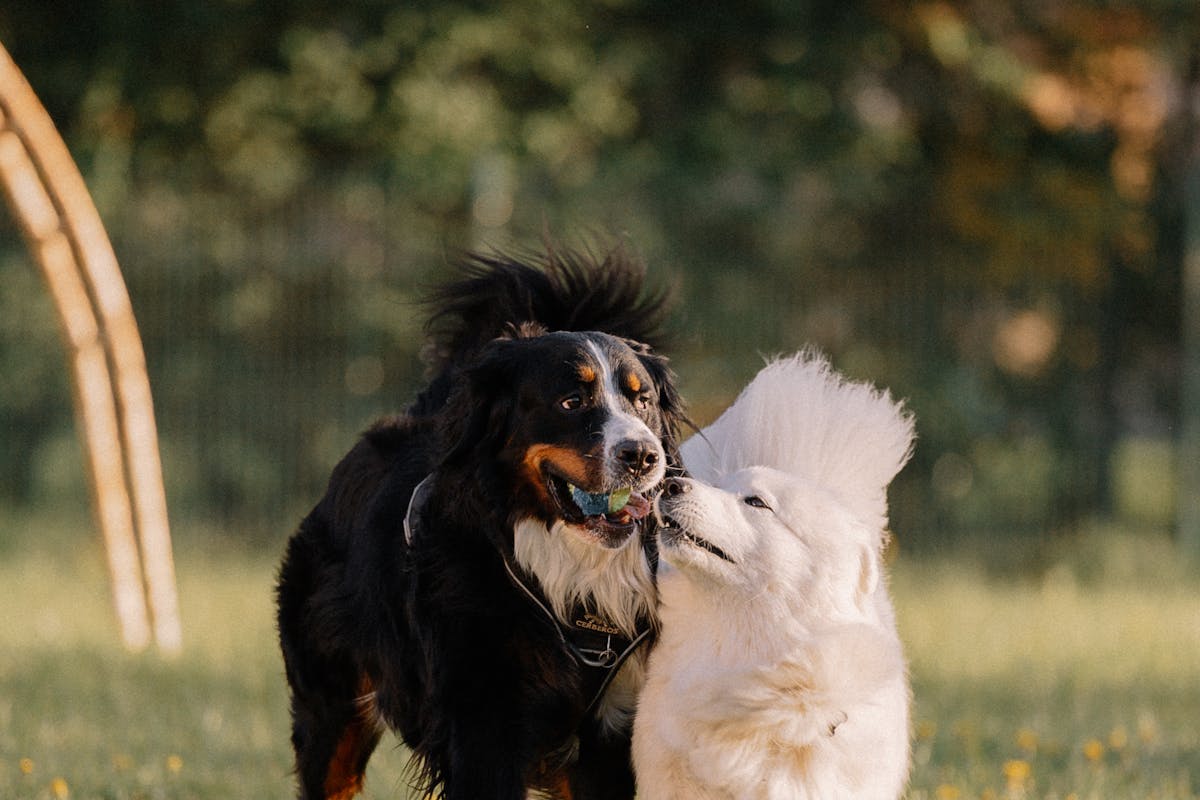
They love fetch, tug-of-war, and hide-and-seek, which provide both mental and physical stimulation.
Puzzle toys, treat-dispensing toys, and interactive play sessions keep their minds sharp and prevent boredom.
Samoyeds can be vocal and alert you to new people or unusual events.
They often “talk” to their owners with soft vocalizations or expressive behavior.
Samoyeds are known for picking up on your moods, reacting positively to happy energy and often soothing stress.
They may mirror family emotions, so a calm and positive environment is ideal.
Samoyeds do not like being alone. Gradual desensitization and leaving comfort items can help.
Their independent streak can make training challenging. Consistency and patience are key.
Boredom or lack of exercise can lead to destructive behavior, so always provide outlets.
Regular brushing prevents mats, tangles, and irritation, keeping your dog comfortable and happy.
Check ears and skin regularly to avoid infections, which can affect behavior and mood.
Samoyeds are ideal for active families who enjoy spending time outdoors and engaging with their dog.
A yard or nearby park is helpful, but indoor exercise and mental activities can suffice in apartments.
They prefer cooler climates due to their thick coat but can adapt with proper care in warmer areas.
Samoyeds are friendly, intelligent, and highly social dogs. Their playful nature, loyalty, and “smile” make them a joy to have in the family. However, adopting a Samoyed requires commitment to exercise, mental stimulation, grooming, and socialization. Understanding their temperament ensures a happy, healthy, and long-lasting bond with your new furry friend.
1. Are Samoyeds good with children?
Yes, they are gentle, playful, and patient, making them excellent companions for kids.
2. How much exercise does a Samoyed need daily?
They require 1–2 hours of daily physical activity and mental stimulation.
3. Are Samoyeds easy to train?
They are intelligent but can be stubborn; positive reinforcement and consistency work best.
4. Do Samoyeds bark a lot?
They can be vocal, alerting you to strangers or unusual events, but early training helps control excessive barking.
5. Can Samoyeds adapt to apartment living?
Yes, if provided with enough exercise, mental stimulation, and regular outdoor activity.