Menu
Download our Petland App today for information on your local Petland's Available Pets and Pet Supplies. All at the tips of your fingers!


Download our Petland App today for information on your local Petland's Available Pets and Pet Supplies. All at the tips of your fingers!
Please create a free account, or login by clicking here.
Petland Memphis, Tennessee
January 9, 2026
Dog food allergies are more common than most pet owners realize. They can make your furry friend uncomfortable and lead to serious health issues if left unmanaged. Knowing how to identify and manage dog food allergies is essential for keeping your dog happy, healthy, and energetic.
Dog food allergies occur when your dog’s immune system reacts negatively to a specific ingredient in their diet. Unlike food intolerance, allergies involve an immune response, which can cause skin irritation, digestive upset, or even more serious complications.
Learn More About Best Ways to Keep Your Dog Warm in The Winter
Food intolerance generally causes mild digestive problems, while allergies can trigger itching, hives, and inflammation. Recognizing the difference helps in proper diagnosis and treatment.

Proteins are the most common culprits behind dog food allergies. If your dog shows signs of allergies, their main protein source may be the trigger.
Some dogs react poorly to grains like wheat, corn, or soy, as well as artificial additives, preservatives, and coloring.
Milk, cheese, and other dairy products can sometimes cause digestive upset or skin irritation in sensitive dogs.
Excessive scratching, licking, or biting can be a clear sign of a food allergy. Red, inflamed skin is also a major indicator.
Painful, irritated spots can develop due to constant scratching or licking, often worsening if untreated.
Frequent vomiting after meals may indicate your dog is reacting poorly to a specific ingredient.
Chronic diarrhea or loose stools can also be a sign of a food allergy or intolerance.
Recurring ear infections or watery eyes may be linked to a food allergy. Some dogs even develop sneezing or coughing.
A vet can help rule out other medical conditions and recommend proper tests to identify allergies.
An elimination diet involves feeding your dog a limited-ingredient diet for 8–12 weeks, then gradually reintroducing foods to pinpoint the allergen.
Blood tests and skin tests are available but may not always be as reliable as an elimination diet.
Specially formulated hypoallergenic dog foods use novel proteins or hydrolyzed ingredients to minimize allergic reactions.
Cooking meals at home allows full control over ingredients. Make sure to consult a vet or canine nutritionist to ensure your dog receives all necessary nutrients.
Omega-3 fatty acids, probiotics, and antihistamines can help manage mild allergic reactions. Always consult your vet before giving supplements or medications.
Sudden changes can trigger allergies. Introduce new foods slowly over 7–10 days.
Treats often contain hidden allergens. Choose allergy-safe treats and limit quantities.
Frequent check-ups help detect early signs of allergies before they escalate.
Early signs like slight itching or minor digestive issues are often ignored, which can lead to chronic problems.
Changing foods without a proper transition can worsen allergic reactions.
Processed dog foods can contain multiple proteins and additives—always read labels carefully.
Keep a list of safe foods and treats. Consistency is key to avoiding accidental reactions.
Bring your dog’s safe food and snacks when traveling to prevent exposure to allergens.
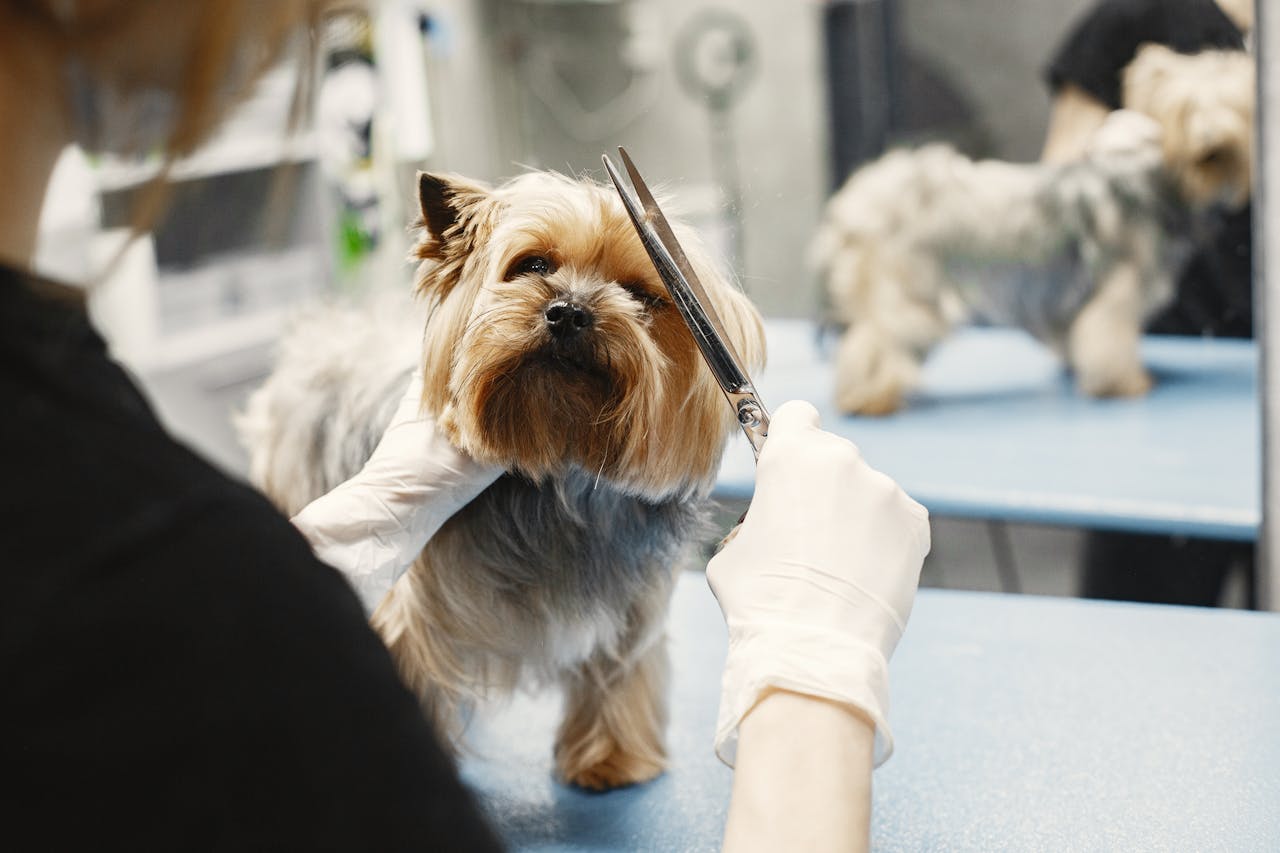
Regular grooming, moisturizing skin treatments, and keeping the environment clean help manage allergic symptoms.
Dog food allergies can be tricky, but with careful observation, proper diet, and guidance from your veterinarian, they can be effectively managed. By understanding common allergens, recognizing symptoms early, and providing safe food options, you can keep your dog healthy, happy, and thriving.
1. How quickly do dog food allergies show symptoms?
Symptoms can appear within hours or take several days, depending on the allergen and your dog’s sensitivity.
2. Can dog food allergies be cured?
While allergies cannot always be “cured,” they can be effectively managed through diet and lifestyle changes.
3. Are grain-free diets always better for allergic dogs?
Not always. Some dogs are allergic to proteins, not grains. Always identify the specific allergen first.
4. How do I choose a hypoallergenic dog food?
Look for foods with novel proteins, hydrolyzed proteins, or limited ingredients, and consult your veterinarian.
5. Can puppies develop food allergies?
Yes, puppies can develop food allergies, although it’s more common in adult dogs. Early monitoring is essential.