Menu
Download our Petland App today for information on your local Petland's Available Pets and Pet Supplies. All at the tips of your fingers!


Download our Petland App today for information on your local Petland's Available Pets and Pet Supplies. All at the tips of your fingers!
Please create a free account, or login by clicking here.
Petland Memphis, Tennessee
March 25, 2026
Choosing the right collar for your dog might seem like a small decision, but it plays an important role in your pet’s comfort and safety. A collar is not just an accessory. It helps identify your dog, allows you to attach a leash during walks, and can even assist with training. Following a proper dog collar guide helps ensure that your pet wears something that fits correctly and supports their daily activities without causing discomfort.
Dogs wear collars for many hours each day, which means the material, size, and design should be comfortable. A collar that is too tight can irritate the skin or restrict breathing
Collars are also important tools for training and guiding your dog during walks. Many trainers recommend starting with a simple collar that allows gentle control without putting pressure on sensitive areas. A proper dog collar guide helps owners understand which collars are best for everyday walking and which are better suited for training purposes.
When a dog learns to walk calmly on a leash, the collar becomes an important communication tool between the owner and the pet. Small leash movements can signal your dog to slow down, stop, or change direction. This helps build better walking habits over time.
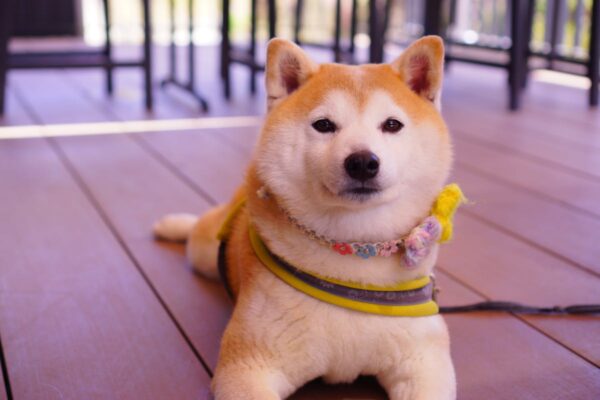
Flat collars are the most common type of collar used by dog owners. They are simple, comfortable, and suitable for everyday use. A standard flat collar usually includes a buckle or snap closure and a ring where the leash and identification tags can be attached.
This type of collar works well for dogs that already walk calmly on a leash. It provides enough control for regular walks while remaining comfortable for long term wear. Flat collars are available in many materials, colors, and sizes, making them a popular choice for most breeds.
A reliable dog collar guide often recommends flat collars for puppies and adult dogs who have basic leash training. They are easy to adjust and lightweight, which makes them ideal for daily use.
Martingale collars are designed for dogs that tend to slip out of regular collars. They feature a special loop that tightens slightly when the dog pulls, preventing the collar from sliding off the head. This makes them particularly useful for breeds with narrow heads, such as Greyhounds or Whippets.
Unlike traditional choke chains, martingale collars are designed to tighten only to a certain limit. This prevents excessive pressure on the dog’s neck. When used correctly, they provide gentle control while keeping the dog comfortable.
Many trainers recommend martingale collars as part of a practical dog collar guide because they combine safety with improved leash control. They are especially useful during training sessions or walks in busy environments.
Some dogs benefit more from harnesses or head collars rather than traditional neck collars. A harness distributes pressure across the dog’s chest and shoulders, reducing strain on the neck. This can be helpful for small breeds or dogs with respiratory issues.
Head collars work differently by guiding the dog’s head direction. Because dogs naturally follow where their head goes, this design helps prevent pulling during walks. These options are often included in a comprehensive dog collar guide for dogs that require additional control.
Correct sizing is one of the most important steps when choosing a collar. Before purchasing a collar, measure your dog’s neck using a soft measuring tape. Wrap the tape around the base of the neck where the collar will normally sit.
After measuring, add about one to two inches to ensure the collar is not too tight. This extra space allows your dog to move comfortably while still keeping the collar secure.
A simple way to check the fit of a collar is by using the two finger rule. After placing the collar on your dog, try to slide two fingers between the collar and the dog’s neck. If your fingers fit comfortably, the collar is properly adjusted.
This rule is widely recommended in any reliable dog collar guide because it prevents collars from being too tight or too loose.
Nylon collars are lightweight, durable, and affordable. They come in a wide variety of colors and patterns, making them popular among dog owners. Nylon is also easy to clean, which is helpful for dogs that enjoy outdoor adventures.
Because of their flexibility and strength, nylon collars are often recommended in a dog collar guide for everyday use.
Leather collars are known for their durability and classic appearance. Although they are usually more expensive than nylon collars, they often last longer with proper care. Leather also becomes softer over time, which can make it more comfortable for the dog.
Many owners choose leather collars because they are strong and resistant to wear. They also provide a stylish and professional look for larger dog breeds.
Adjustable straps allow the collar to grow with your dog. This feature is especially useful for puppies that are still developing. By adjusting the collar size, you can ensure a proper fit without needing frequent replacements.
Strong buckles and secure tag rings are essential features in any collar. These parts ensure that the collar remains attached during walks and that identification tags stay in place. A reliable dog collar guide always recommends checking hardware quality before buying a collar.
Choosing the wrong size is one of the most common mistakes dog owners make. A collar that is too small can cause discomfort, while a loose collar may slip off during walks.
Every dog behaves differently, and collar choices should reflect this. Energetic dogs that pull frequently may require stronger collars or harnesses for better control.
Keeping the collar clean helps prevent skin irritation. Dirt and moisture can build up over time, especially if your dog spends time outdoors. Regular washing keeps the collar fresh and safe.
It is also important to inspect the collar regularly for signs of wear or damage. Buckles, straps, and rings should remain strong and secure. Replacing worn collars ensures your dog remains safe during walks.
Following a proper dog collar guide makes it easier to choose a collar that fits your dog’s needs. The right collar improves safety, comfort, and control during daily activities. By considering collar types, materials, and sizing, dog owners can make a thoughtful choice that supports their pet’s well being.
A good collar should feel comfortable, secure, and durable enough for everyday use. With careful selection and regular maintenance, your dog’s collar can become a reliable tool for many years of safe walks and adventures.
Flat collars are usually the best option for daily wear because they are simple, comfortable, and easy to adjust.
Yes, puppies can wear lightweight collars designed specifically for their size and age.
A collar should follow the two finger rule, allowing two fingers to fit between the collar and the dog’s neck.
Both materials have advantages. Nylon is lightweight and affordable, while leather is durable and long lasting.
Collars should be replaced when they show signs of wear, damage, or no longer fit your dog properly.