Menu
Download our Petland App today for information on your local Petland's Available Pets and Pet Supplies. All at the tips of your fingers!


Download our Petland App today for information on your local Petland's Available Pets and Pet Supplies. All at the tips of your fingers!
Please create a free account, or login by clicking here.
Petland Memphis, Tennessee
April 28, 2026
The idea of getting a second dog often starts with a simple thought—your current dog might be happier with a companion. It feels natural to assume that adding another dog will bring more joy, more playtime, and less loneliness. Many owners imagine their pets running around together, keeping each other entertained while they’re busy. It’s an appealing picture, and sometimes it really works out that way.
But dogs are not humans, and they don’t always want the same things we do. Some dogs enjoy company, while others prefer having your full attention. This decision should not be based only on emotion. When planned properly, adding a second dog can create a balanced and happy home. When rushed, it can cause stress for both you and your pets.
Before moving forward with getting a second dog, take a realistic look at your daily routine. Managing one dog already requires time, effort, and consistency. Adding another means more feeding, more walking, more cleaning, and more attention. It is not just double the work—it often feels like more because both dogs have different needs.
Think about your time, energy, and space. Do you have enough room for another dog to live comfortably? Can you handle unexpected situations like illness or behavior problems? Being ready is not just about wanting another dog—it is about being able to care for both without feeling overwhelmed.
Your first dog plays the biggest role in this decision. Their personality will determine how successful this change will be. Some dogs are social and enjoy playing with others, while some are more independent or territorial. You need to understand where your dog stands.
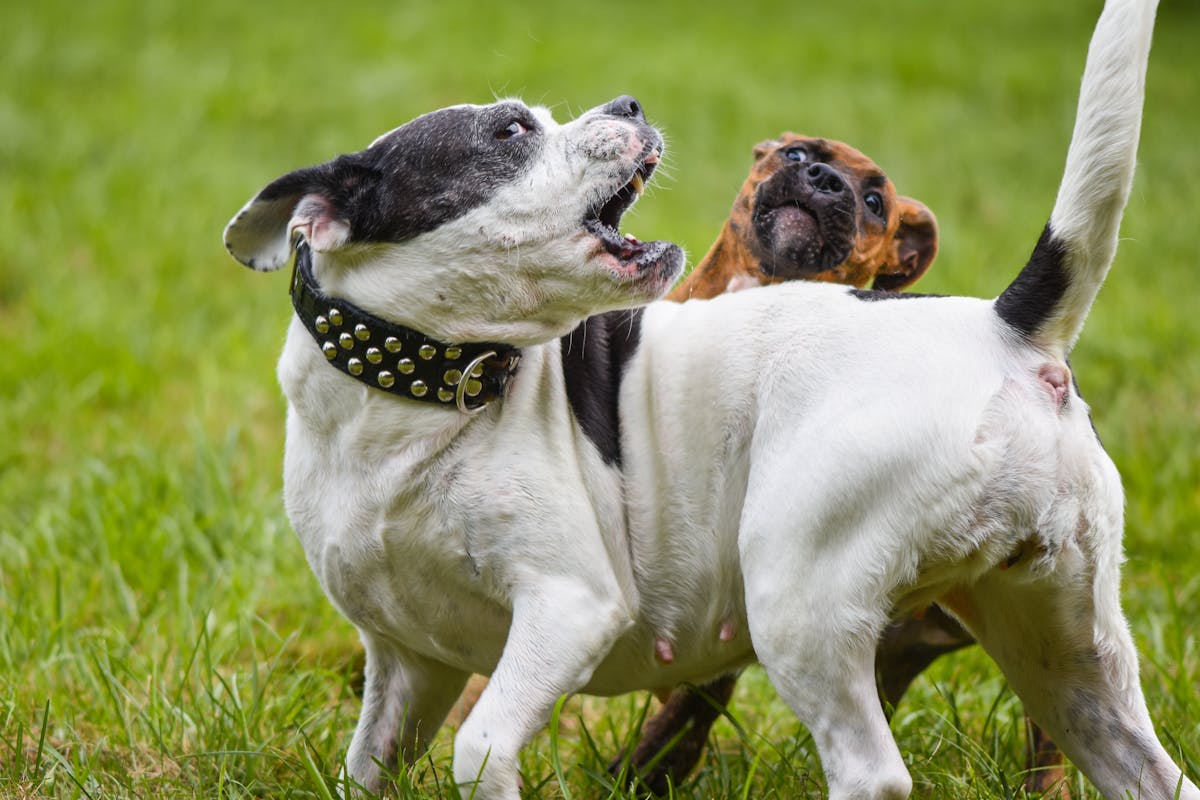
Watch how your dog behaves around other dogs. If they are relaxed and playful, that is a good sign. If they show aggression, fear, or jealousy, it may not be the right time. Ignoring your dog’s behavior can lead to tension and conflict after bringing in a second dog.

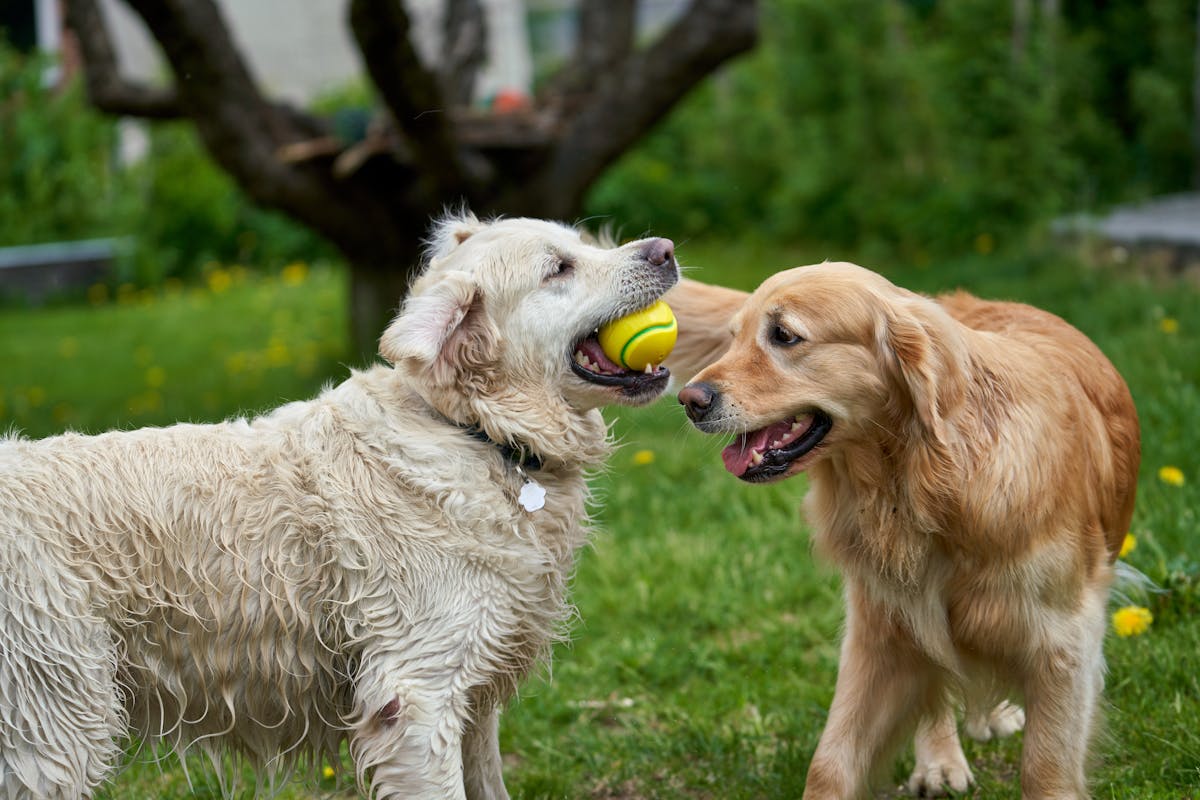
There are real advantages to getting a second dog when everything is done correctly. One of the biggest benefits is companionship. Dogs can keep each other engaged in ways humans cannot. They play, communicate, and stay active together, which reduces boredom.
Another benefit is increased activity. Two dogs often motivate each other to move more, which supports their physical and mental health. For you, it also brings more joy and energy into your home. Watching two dogs bond and grow together creates a unique experience that many owners truly enjoy.
While the benefits are appealing, there are also challenges you need to consider. One of the biggest is managing different personalities. Dogs do not always become best friends. Sometimes they simply learn to live together, which still requires effort from you.
Behavior issues can also become more complicated. Dogs can copy each other’s bad habits, making training harder. You need patience and consistency to handle two different behaviors at the same time. Without proper effort, small issues can turn into bigger problems.
Financial responsibility increases significantly when getting a second dog. Expenses like food, grooming, and veterinary care all rise. Even if some items are shared, most costs double over time.
Unexpected costs can also appear, such as medical emergencies or training needs. If you are already comfortable managing your current dog’s expenses, you may be ready. If not, it is better to plan ahead before making this decision.
Time is another major factor. Two dogs need individual attention as well as shared time. You cannot treat them as one unit all the time. Each dog requires bonding, training, and care.
Daily tasks like walking and feeding take longer, and training requires more focus. If you enjoy spending time with your pets and have the energy for it, this can be rewarding. If your schedule is already tight, it may become overwhelming.
Choosing the right age is important. A young puppy paired with an older dog can create imbalance. The puppy may want constant play, while the older dog may prefer rest. Similar age groups usually work better.
Energy level matters just as much as age. A high-energy dog needs a companion that can keep up. If not, frustration can build. Matching energy levels helps create a smoother relationship.
Before bringing in another dog, prepare your home properly. Each dog should have their own space for eating and resting. This helps reduce competition and stress between them.
Providing separate bowls, beds, and toys can prevent conflict. A well-prepared environment makes the transition easier and more comfortable for both dogs.
The first meeting between the dogs is very important. It is best to introduce them in a neutral place where neither feels protective of their space. Keep the situation calm and controlled.
Allow them to approach each other naturally. Avoid forcing interaction. A positive first introduction can make future bonding much easier.
Training two dogs requires consistency and patience. Start by training them separately so they understand commands clearly. Once they learn individually, you can train them together.
A well-trained first dog can help guide the second one. However, if the first dog has bad habits, those can also be passed on. Clear rules and consistency are essential.
One of the biggest mistakes is rushing into getting a second dog without proper planning. Excitement can lead to poor decisions. Choosing a dog based only on looks instead of compatibility is another common issue.
Ignoring your first dog’s personality is also a major mistake. If your current dog is not ready, adding another will not fix the problem. Taking time to plan leads to a better outcome.
Getting a second dog can bring more joy, energy, and companionship into your home, but it also requires careful planning. It is not just about adding another pet—it is about creating balance between two personalities. When you make a thoughtful decision, the experience can be rewarding for both you and your dogs.
1. Is getting a second dog a good idea?
It depends on your lifestyle, budget, and your current dog’s behavior.
2. Will my dog like a second dog?
Some dogs enjoy companionship, while others prefer being alone.
3. Is it harder to manage two dogs?
Yes, it requires more time, effort, and consistency.
4. When should I get a second dog?
When your first dog is well-trained and stable.
5. Do both dogs need the same breed?
No, but matching energy levels is important.