Menu
Download our Petland App today for information on your local Petland's Available Pets and Pet Supplies. All at the tips of your fingers!


Download our Petland App today for information on your local Petland's Available Pets and Pet Supplies. All at the tips of your fingers!
Please create a free account, or login by clicking here.
Petland Memphis, Tennessee
December 17, 2025
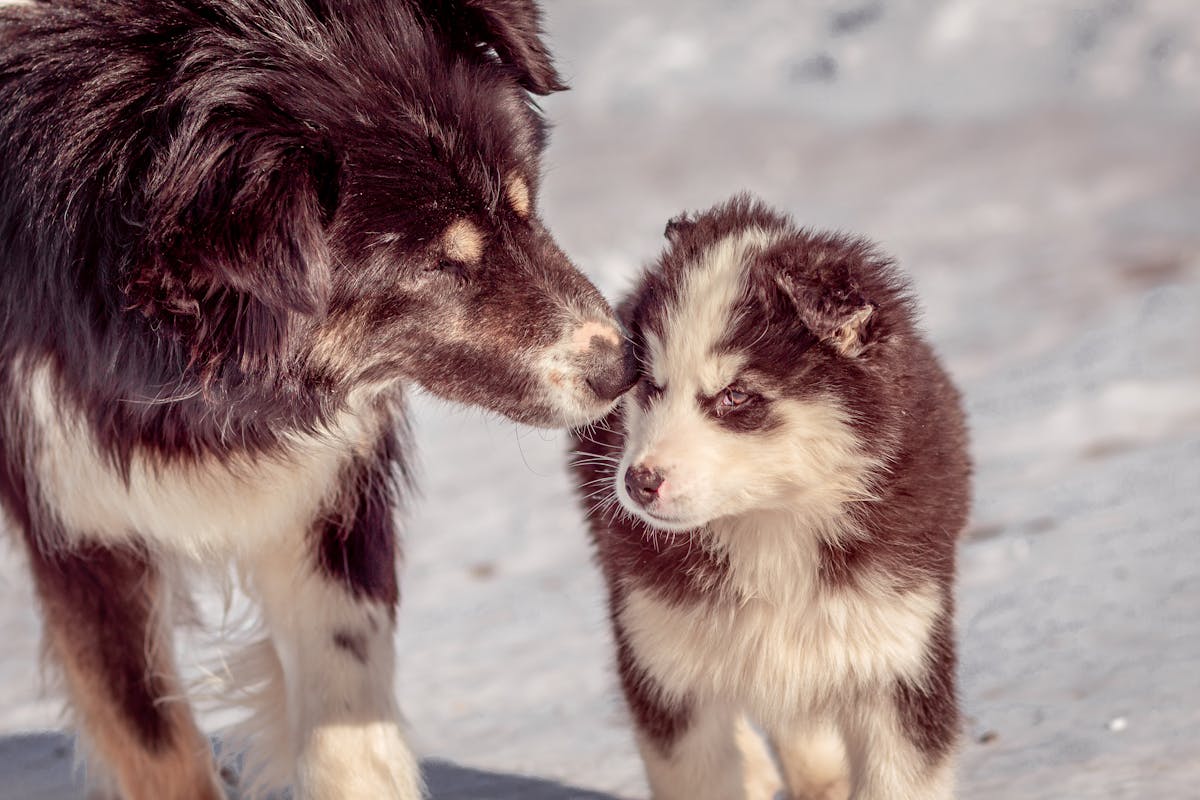
The Alaskan Klee Kai is a miniature version of the Siberian Husky that packs personality, energy, and intelligence into a small package. If you love the look of a Husky but need a dog that fits apartment or small home living, the Alaskan Klee Kai might be the perfect match. This breed is highly alert, loyal, and surprisingly affectionate despite its reserved nature.
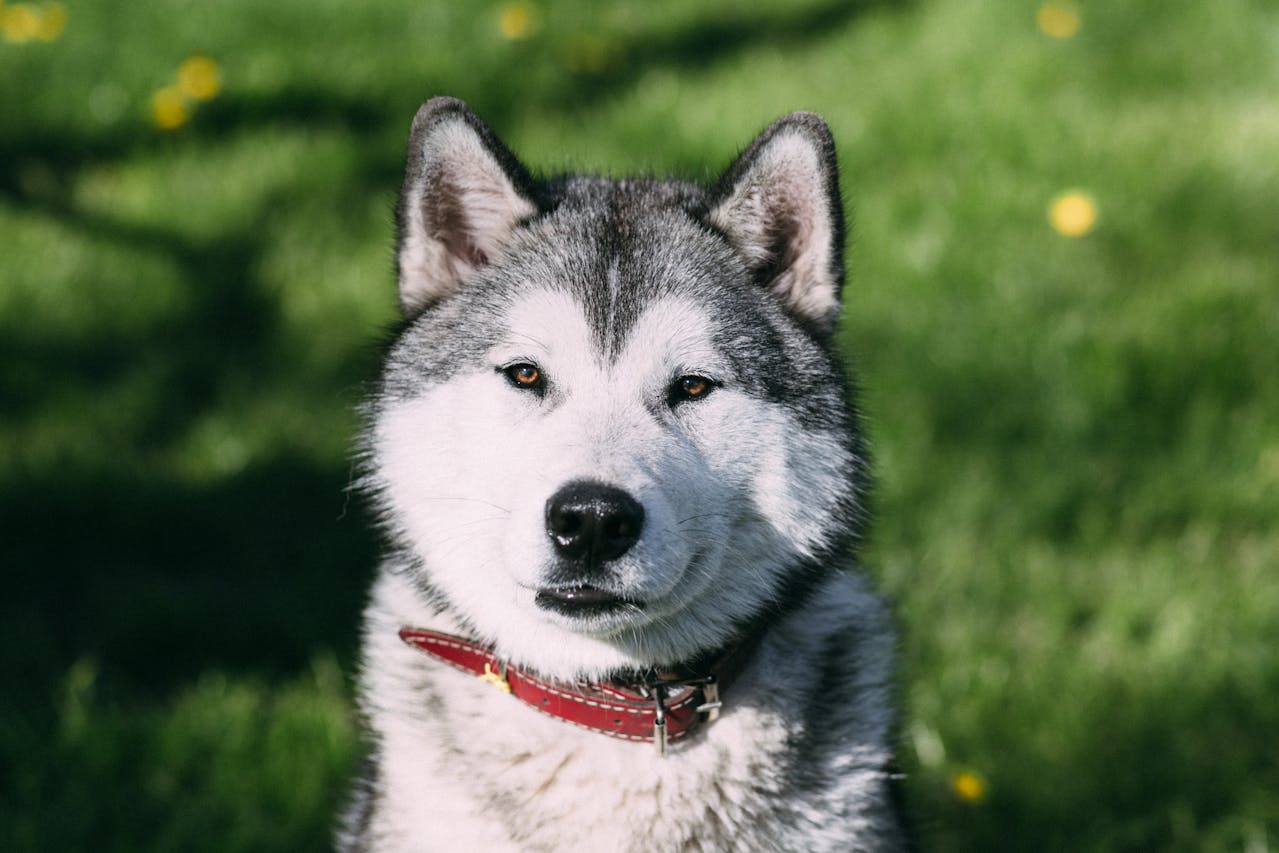
Unlike other small dog breeds, the Alaskan Klee Kai carries a strong resemblance to Huskies, complete with striking facial markings and bright eyes. Their energy and playful personality make them an engaging companion, while their intelligence makes them responsive to training.
The breed was developed in the 1970s by Linda Spurlin in Alaska. She aimed to create a smaller Husky that retained all of the working traits, appearance, and intelligence but was suitable for household companionship. The Alaskan Klee Kai has three recognized sizes: toy, miniature, and standard.
Alaskan Klee Kai are classified into three sizes:
Weight typically ranges from 5 to 22 pounds, depending on the size.
Their double coat consists of a soft undercoat and a thicker topcoat. Common colors include black and white, gray and white, red and white, and pure white. This coat helps them tolerate cold weather exceptionally well.
The Alaskan Klee Kai is known for its striking facial mask, erect triangular ears, and bright, expressive eyes. Their features give them a wolf-like appearance despite their small size.
Alaskan Klee Kai are alert, intelligent, and reserved around strangers. They are naturally curious and enjoy exploring their environment while staying closely bonded to their family.
Though initially cautious with strangers, they form strong attachments to their owners, displaying loyalty and affection. They are not lap dogs in the classic sense but love to engage and interact.
These dogs are highly intelligent and eager to please. Consistent, positive reinforcement training works best. Their intelligence also means they require mental stimulation to avoid boredom and related destructive behavior.
Alaskan Klee Kai are vigilant and aware of their surroundings, making them excellent watchdogs. Their curiosity drives playful exploration and active engagement with toys and games.
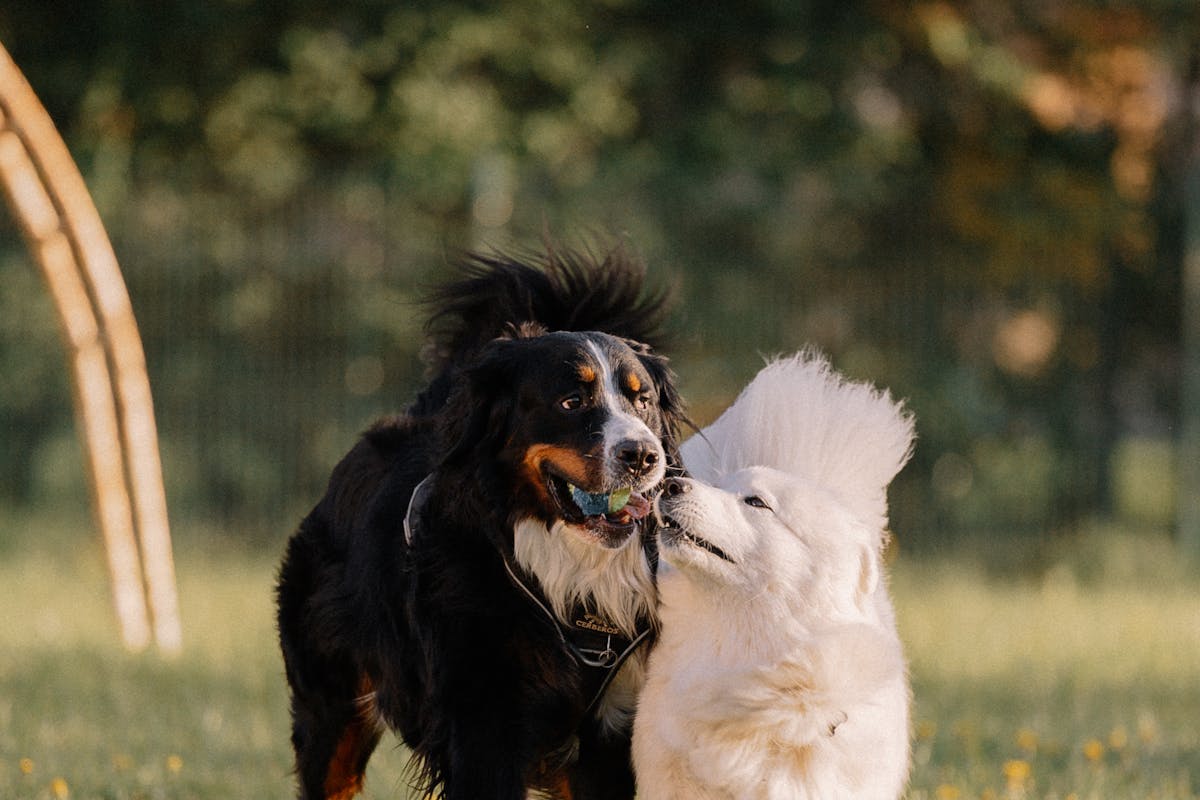
Early socialization with other dogs, pets, and humans is crucial to help this breed overcome natural shyness and build confidence.
Alaskan Klee Kai typically live 12 to 16 years with proper care, nutrition, and regular veterinary checkups.
They are generally healthy but can face issues like patellar luxation, heart problems, and eye disorders. Regular checkups help prevent long-term complications.
Responsible breeders screen for common genetic issues to ensure healthy puppies.
Maintaining routine vet visits, vaccinations, and dental hygiene can significantly improve quality of life.
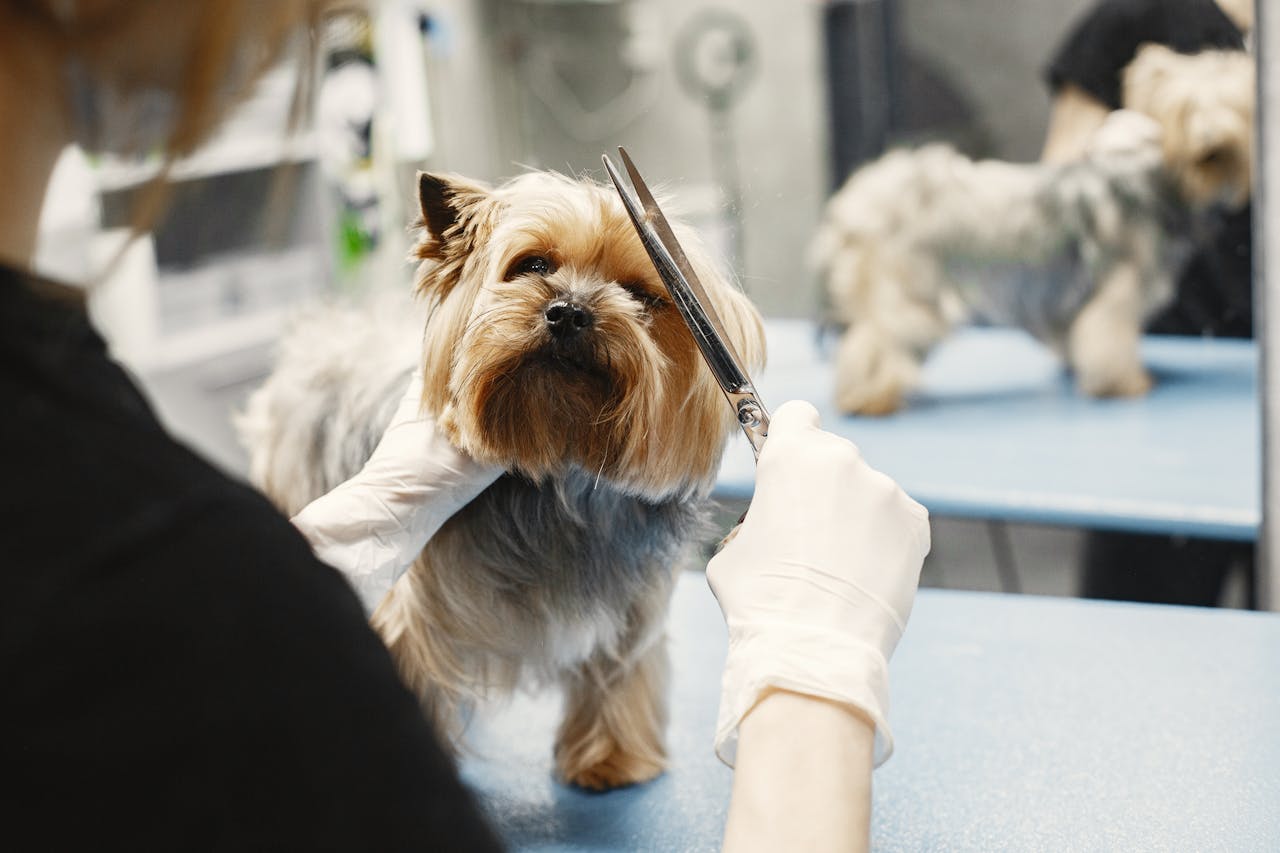
Brush your Klee Kai at least 2–3 times a week to prevent mats and tangles. More frequent brushing is needed during seasonal shedding.
Bathing every 6–8 weeks is sufficient unless the dog becomes dirty. Avoid over-bathing to protect natural oils.
Regular trimming of nails, cleaning ears, and brushing teeth are essential to prevent infections and discomfort.
During spring and fall, their undercoat sheds heavily. Frequent brushing and a good vacuum can manage shedding.
Feed high-quality dry kibble formulated for small to medium breeds. Include protein, healthy fats, and essential vitamins.
Two meals per day is standard. Adjust portions according to age, activity level, and metabolism.
Avoid chocolate, grapes, onions, and highly processed human food. These can be toxic or harmful.
Omega-3 supplements support coat and skin health, while glucosamine can support joint health as they age.
Alaskan Klee Kai need 30–60 minutes of exercise daily. Walks, fetch, and active play keep them healthy and happy.
Puzzle toys, training games, and interactive activities prevent boredom and destructive behavior.
While they enjoy outdoor adventures, mental stimulation indoors is equally important to maintain a balanced dog.
Start early with basic commands, potty training, and socialization. Short, consistent sessions work best.
Use treats, praise, and play to reward good behavior rather than punishment.
Consistency in rules and boundaries helps prevent anxiety, aggression, and destructive tendencies.
Gradual exposure to different people and pets ensures a confident and friendly adult dog.
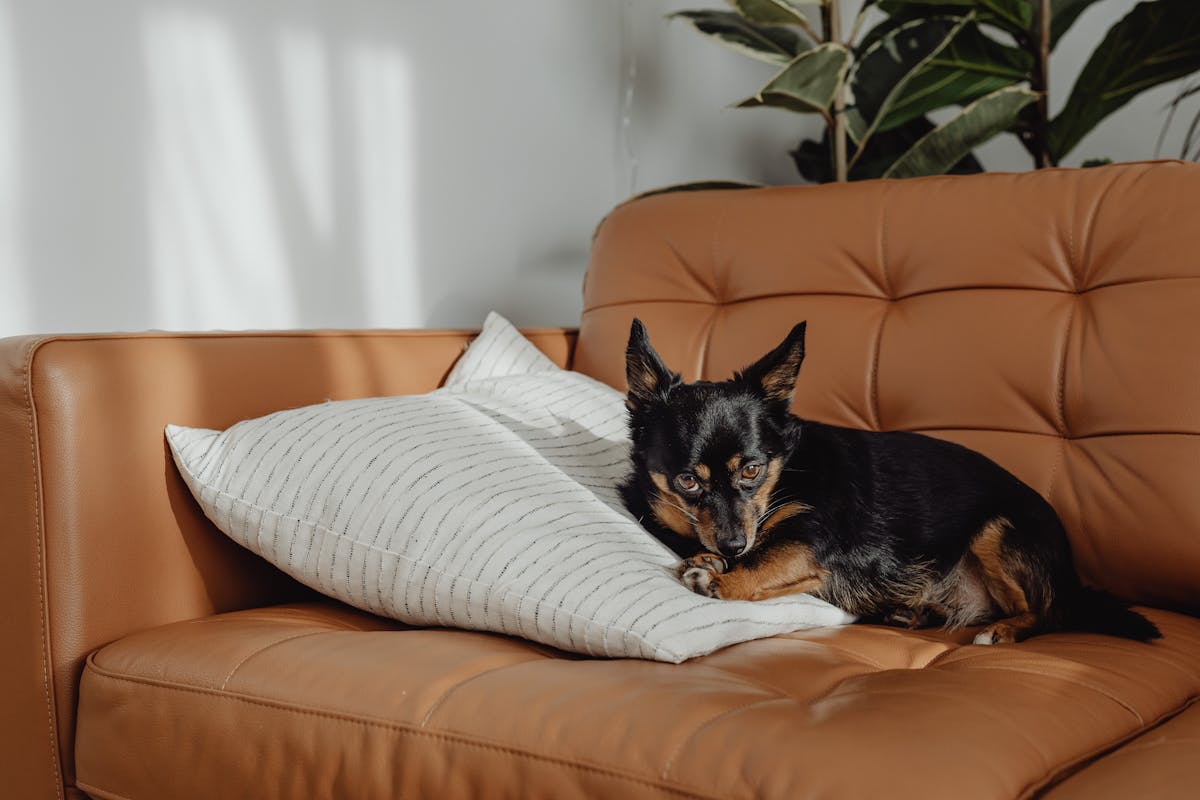
Alaskan Klee Kai adapt well to apartments due to their small size, provided they get enough exercise.
They tolerate cold climates well but may need shade and water in hot weather.
Secure yards and leashed walks keep them safe, as their curiosity can lead to escape attempts.
They enjoy gentle play with children. Supervision is recommended due to small size.
They are affectionate and loyal, forming strong bonds with all household members.
Their manageable size and moderate energy make them excellent companions for seniors.
Accustom them early to carriers and car rides. They are generally adaptable but need reassurance.
Provide a secure carrier, frequent breaks, and water during long trips.
Maintain routines and bring familiar toys to reduce stress while away from home.
No, they are reserved but not aggressive. Early socialization ensures friendly behavior.
While grooming and exercise are important, they are not overly demanding compared to other breeds.
Best suited for active owners who can provide attention, mental stimulation, and consistent training.
Seek breeders with health testing or consider rescues to adopt a loving, well-socialized dog.
Alaskan Klee Kai are intelligent, loyal, and affectionate companions with a unique Husky-like appearance. Their small size, manageable energy, and strong bonds with owners make them excellent pets for families, singles, and seniors alike. With proper care, training, and socialization, this breed thrives in a variety of living environments, providing joy and companionship for many years.
Are Alaskan Klee Kai good for first-time dog owners?
Yes, they are intelligent, trainable, and adaptable with consistent guidance.
How much exercise does an Alaskan Klee Kai need?
They need 30–60 minutes of daily exercise, combining walks and play.
Do Alaskan Klee Kai get along with other pets?
With proper socialization, they usually get along well with dogs and cats.
How long do Alaskan Klee Kai live?
They typically live between 12 and 16 years with proper care.
Are Alaskan Klee Kai easy to groom?
Yes, regular brushing and occasional baths keep their coat healthy and manageable.